For a student who wants to become a dentist, getting a BDS seat in a reputed government dental college can be a major advantage. Government institutions are highly preferred because they can combine strong clinical exposure, experienced faculty, large patient inflow and comparatively affordable fees. Since dentistry is a hands-on profession, regular exposure to real patients and clinical procedures is just as important as classroom learning.
Competition, however, is intense. BDS admission in India is primarily based on NEET-UG, and seats in leading government institutions can require strong scores and ranks. Students also need to think beyond the college name by checking clinical facilities, hospital attachment, internship exposure, hostel availability and postgraduate opportunities.
For students planning BDS admission in 2026, this guide highlights 10 prominent government/public dental colleges in India. The order should be treated as a practical shortlist based on academic reputation, national standing, clinical exposure and student preference rather than a fixed official 2026 ranking.
Top 10 Government Dental Colleges in India 2026
| Rank | Dental College | Location | Key Strength |
|---|---|---|---|
| 1 | Maulana Azad Institute of Dental Sciences | New Delhi | Clinical exposure & academic reputation |
| 2 | Faculty of Dental Sciences, King George’s Medical University | Lucknow, Uttar Pradesh | Hospital-based clinical training |
| 3 | Government Dental College & Hospital, Mumbai | Mumbai, Maharashtra | Large clinical environment |
| 4 | Faculty of Dental Sciences, BHU | Varanasi, Uttar Pradesh | University & medical ecosystem |
| 5 | Government Dental College & Hospital, Nagpur | Nagpur, Maharashtra | Clinical and dental education |
| 6 | Government Dental College & Hospital, Ahmedabad | Ahmedabad, Gujarat | Established government institution |
| 7 | Government Dental College, Thiruvananthapuram | Kerala | Clinical training & academics |
| 8 | Government Dental College, Kozhikode | Kerala | Patient exposure & dental education |
| 9 | Government Dental College & Research Institute, Bengaluru | Karnataka | Metropolitan clinical exposure |
| 10 | Government Dental College & Hospital, Hyderabad | Telangana | Dental training & patient exposure |
Important: Rankings, seat availability, counselling rules and admission cut-offs can change. Candidates should verify the official 2026 seat matrix, Dental Council/National Dental Commission-related regulatory information as applicable, NEET-UG rules and counselling details before making a final decision.
1. Maulana Azad Institute of Dental Sciences, New Delhi
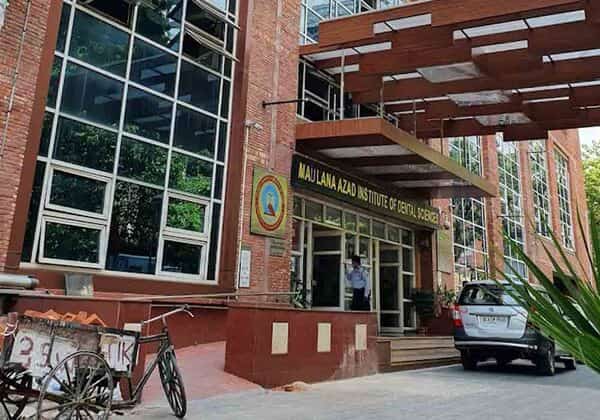
Maulana Azad Institute of Dental Sciences (MAIDS) is one of the most recognised government dental institutions in India and is highly sought after by BDS aspirants.
Its central Delhi location and connection with a large public healthcare environment provide an important advantage: clinical exposure.
Dental students need to observe and eventually manage different types of oral-health conditions, and a high patient flow can provide valuable practical experience.
Why students prefer MAIDS:
- Strong academic reputation
- Government institution
- Excellent clinical exposure
- Experienced faculty
- Delhi location
- Postgraduate learning environment
- Exposure to multiple dental specialities
Because of its popularity and limited seats, admission can be extremely competitive.
2. Faculty of Dental Sciences, King George’s Medical University, Lucknow
King George’s Medical University (KGMU) is one of India’s prominent public medical universities, and its Faculty of Dental Sciences benefits from being part of a major healthcare and teaching ecosystem.
This environment is particularly useful because oral health frequently overlaps with general medicine, surgery and other medical disciplines.
Students can gain exposure to:
- Oral surgery
- Conservative dentistry
- Prosthodontics
- Orthodontics
- Periodontics
- Paediatric dentistry
- Oral medicine
Students interested in postgraduate dental education may also appreciate studying in an institution with an established academic and research environment.
3. Government Dental College & Hospital, Mumbai
Government Dental College & Hospital, Mumbai is one of India’s established public dental institutions.
Mumbai’s huge population creates a diverse healthcare environment, which can translate into valuable clinical exposure for dental students.
A government dental hospital can receive patients with a wide range of oral-health requirements, from routine dental problems to more complicated cases.
Important advantages include:
- Established institutional history
- Large urban patient population
- Practical clinical learning
- Exposure to dental specialities
- Mumbai healthcare ecosystem
- Government-college environment
Students coming from outside Mumbai should calculate accommodation and daily living expenses because the city can be expensive even when tuition fees are comparatively manageable.
4. Faculty of Dental Sciences, Banaras Hindu University
The Faculty of Dental Sciences at Banaras Hindu University (BHU) is another important public-sector option for dental aspirants.
Studying within a major university and medical environment provides students with multidisciplinary academic exposure.
BHU also has a large campus and an established reputation in Indian higher education.
Students may benefit from:
- Dental clinical training
- Medical-school interaction
- Research exposure
- University facilities
- Large academic environment
- Postgraduate opportunities
Students targeting BHU should carefully follow the applicable NEET counselling process and seat-allocation rules for the 2026 admission cycle.
5. Government Dental College & Hospital, Nagpur
Government Dental College & Hospital, Nagpur is a recognised public dental institution in Maharashtra.
It can be a strong option for students who value practical clinical exposure along with comparatively affordable government education.
The institution trains students across major dental areas and provides opportunities to build the clinical confidence required for professional practice.
Students should evaluate:
- Patient inflow
- Clinical departments
- Faculty
- Internship exposure
- Hostel facilities
- Postgraduate departments
For dentistry, the amount and quality of clinical practice available during the course can be more important than attractive campus infrastructure alone.
6. Government Dental College & Hospital, Ahmedabad
Government Dental College & Hospital, Ahmedabad is an established government institution and a significant choice for BDS aspirants, particularly those considering Gujarat.
Ahmedabad is one of India’s major cities and has a large healthcare ecosystem.
Students can receive training across different areas of dentistry while developing practical experience through clinical departments.
Key learning areas can include:
- Oral medicine
- Oral and maxillofacial surgery
- Prosthodontics
- Orthodontics
- Periodontology
- Conservative dentistry and endodontics
- Paediatric dentistry
Students should verify current state-quota and All India counselling provisions before preparing their preference list.
7. Government Dental College, Thiruvananthapuram
Kerala has a strong healthcare environment, and Government Dental College, Thiruvananthapuram is one of the state’s important public dental institutions.
Being located in the state capital gives students access to a broad medical and healthcare ecosystem.
Clinical dentistry requires repeated practice, so students should pay particular attention to patient flow and departmental facilities.
The institution can be attractive for students looking for:
- Government dental education
- Clinical exposure
- Experienced departments
- Academic environment
- Internship training
- Postgraduate opportunities
Students from outside Kerala should check applicable counselling and domicile-related seat rules carefully.
8. Government Dental College, Kozhikode
Government Dental College, Kozhikode is another important public dental institution in Kerala.
The college serves a substantial regional population, making clinical exposure one of the factors students may consider while evaluating it.
BDS students need experience across preventive, restorative and surgical areas of dentistry.
A good clinical environment helps students progress from understanding procedures theoretically to developing actual professional skills under supervision.
Students should compare Kozhikode with other government colleges based on patient load, faculty, hostel arrangements, fees and counselling eligibility rather than location alone.
9. Government Dental College & Research Institute, Bengaluru
Government Dental College & Research Institute (GDCRI), Bengaluru is a prominent public dental institution in Karnataka.
Its Bengaluru location provides access to a large urban healthcare environment.
For students interested in clinical dentistry, studying in a major city can offer exposure to patients from diverse socioeconomic and medical backgrounds.
Important considerations include:
- Clinical departments
- Patient exposure
- Research environment
- Government fee structure
- Internship training
- Bengaluru healthcare ecosystem
However, accommodation and general living expenses in Bengaluru should be included when comparing the total cost with colleges in smaller cities.
10. Government Dental College & Hospital, Hyderabad
Government Dental College & Hospital, Hyderabad is an important government dental institution in Telangana.
Hyderabad’s large population and extensive healthcare network can provide useful clinical exposure for BDS students.
The institution offers students opportunities to develop knowledge and practical skills across major dental specialities.
Students from Telangana may naturally keep it high on their preference list, while candidates from other states should check the applicable All India and state counselling provisions.
How to Get Admission to Government Dental Colleges in 2026
Admission to the BDS course in India is based on NEET-UG under the applicable national admission framework.
Simply passing NEET does not guarantee a government dental seat. The actual college a candidate can obtain depends on rank and the applicable counselling process.
The broad admission process involves:
- Register for NEET-UG 2026.
- Appear for the examination.
- Qualify according to the applicable criteria.
- Participate in the relevant counselling process.
- Fill BDS college preferences.
- Receive seat allotment according to rank, category, choices and seat availability.
- Complete document verification and fee payment.
- Report to the allotted institution as required.
Candidates should follow official 2026 notifications because counselling schedules and requirements can change.
All India Quota vs State Quota for BDS
Understanding counselling is extremely important for government dental admission.
Seats in government dental colleges can be distributed through All India and state-level counselling mechanisms, subject to the applicable rules for the institution.
A student’s chances can therefore depend on:
- NEET rank
- Category
- Domicile eligibility
- Seat type
- College preference
- Counselling round
- Available seats
Previous-year closing ranks can help with planning, but they should never be treated as guaranteed 2026 cut-offs.
What Should You Check Before Choosing a Dental College?
A dental college should be evaluated differently from a general degree college because BDS is a clinical programme.
Check these factors carefully:
- Current regulatory recognition/status
- Hospital and clinical infrastructure
- Daily patient exposure
- Faculty
- Dental laboratories
- Equipment
- Internship experience
- Postgraduate departments
- Hostel facilities
- Tuition fees
- Living costs
Patient exposure deserves special attention. A beautiful campus cannot compensate for insufficient opportunities to observe and perform clinical procedures under supervision.
BDS Course Duration and Training
BDS is a professional dental programme involving academic education and compulsory practical/clinical training according to the applicable regulatory curriculum.
Students study subjects ranging from basic medical sciences to specialised dental disciplines.
Important areas include:
- Dental anatomy
- Oral pathology
- Oral medicine
- Prosthodontics
- Orthodontics
- Periodontics
- Oral and maxillofacial surgery
- Conservative dentistry and endodontics
- Paediatric dentistry
- Public-health dentistry
Students should be prepared for extensive practical work rather than expecting a purely classroom-based degree.
Career Options After BDS
Completing BDS can lead to several career directions.
Graduates may pursue:
- Clinical dental practice
- Dental hospitals
- Government healthcare services
- Private dental clinics
- MDS
- Public-health dentistry
- Dental research
- Academics
- Healthcare administration
Some graduates eventually establish their own dental clinics after gaining experience and completing the necessary professional registration and regulatory requirements.
FAQs
1. Which is the best government dental college in India in 2026?
A. Maulana Azad Institute of Dental Sciences (MAIDS), New Delhi is widely regarded as one of India’s leading government dental institutions because of its academic reputation and clinical environment. KGMU, BHU and established government dental colleges in Mumbai and other states are also strong options.
2. Can I get a government BDS seat with a low NEET score?
A. It depends on your NEET rank, category, state eligibility, counselling round and seat availability. Simply qualifying NEET does not guarantee a government BDS seat. Previous closing ranks can provide guidance, but 2026 cut-offs will depend on that year’s competition.
3. Is a government dental college better than a private dental college?
A. Not automatically, but government dental colleges are often preferred for lower fees and potentially strong patient exposure. Some private colleges also have excellent clinical facilities. Compare recognition, patient flow, faculty, internship exposure and total course cost before deciding.
4. What matters most when choosing a BDS college?
A. Apart from regulatory recognition and academic quality, clinical patient exposure is extremely important. Dentistry is a hands-on profession, so students should investigate patient flow, clinical departments, equipment, faculty supervision and internship experience before locking their counselling preferences.