Travel today is no longer just about ticking famous places off a bucket list. More travellers are choosing destinations where they can enjoy nature while helping protect the environment and support local communities. This is where eco-tourism comes in. It encourages responsible travel by promoting wildlife conservation, sustainable accommodation, local culture, and low-impact tourism. Instead of crowded cities and commercial attractions, eco-tourism takes you to forests, mountains, wetlands, islands, and villages where nature remains the biggest attraction.
India is one of the world’s richest countries in terms of biodiversity, with national parks, biosphere reserves, mangrove forests, Himalayan landscapes, and tropical rainforests spread across every region. Whether you want to spot tigers in the wild, cruise through peaceful backwaters, trek in the Himalayas, or stay in eco-friendly resorts, India offers countless destinations that combine adventure with environmental responsibility.
Here are the Top 10 Eco-Tourism Destinations in India that every nature lover should experience.
Overview Table
| Eco-Tourism Destination | State/UT | Best Time to Visit | Famous For | Ideal Trip Duration |
|---|---|---|---|---|
| Kaziranga National Park | Assam | November–April | One-horned rhinoceros | 2–3 Days |
| Periyar Wildlife Sanctuary | Kerala | October–March | Wildlife and lake safaris | 2–3 Days |
| Sundarbans National Park | West Bengal | October–March | Royal Bengal Tiger and mangroves | 3 Days |
| Valley of Flowers National Park | Uttarakhand | July–September | Himalayan wildflowers | 3–5 Days |
| Great Himalayan National Park | Himachal Pradesh | March–June, September–November | Biodiversity and trekking | 4 Days |
| Mawlynnong | Meghalaya | October–April | Clean village and sustainable tourism | 2 Days |
| Silent Valley National Park | Kerala | October–March | Tropical rainforest | 2 Days |
| Chilika Lake | Odisha | November–February | Migratory birds and dolphins | 2–3 Days |
| Thenmala | Kerala | October–March | India’s first planned eco-tourism destination | 2 Days |
| Hemis National Park | Ladakh | May–September | Snow leopards and Himalayan wildlife | 4–5 Days |
1. Kaziranga National Park, Assam
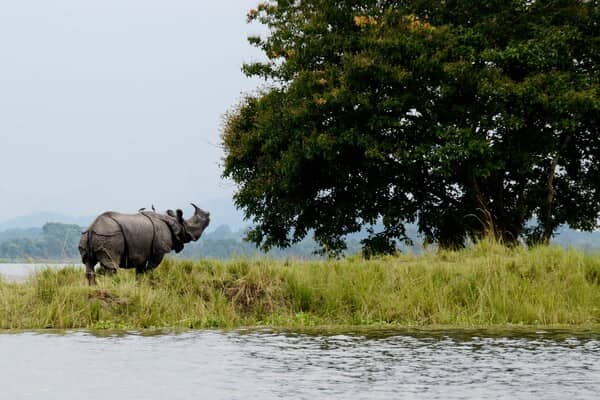
Kaziranga National Park is one of India’s finest wildlife destinations and a UNESCO World Heritage Site. It is globally famous for protecting the endangered one-horned rhinoceros and supporting a rich variety of wildlife.
Visitors can enjoy:
- Jeep safaris
- Elephant safaris
- Birdwatching
- Nature photography
- Eco-lodges
Apart from rhinos, the park is home to elephants, wild buffaloes, swamp deer, and numerous bird species.
Best Time: November to April
2. Periyar Wildlife Sanctuary, Kerala
Located in Thekkady, Periyar is one of South India’s most popular eco-tourism destinations. The sanctuary combines forests, wildlife, and the beautiful Periyar Lake.
Popular activities include:
- Boat safaris
- Bamboo rafting
- Guided nature walks
- Jungle camping
- Wildlife spotting
Responsible tourism initiatives here also involve local communities in conservation efforts.
3. Sundarbans National Park, West Bengal
The Sundarbans is the world’s largest mangrove forest and a UNESCO World Heritage Site. It is famous for its unique ecosystem and the elusive Royal Bengal Tiger.
Visitors can experience:
- Boat safaris
- Mangrove forests
- Crocodile sightings
- Birdwatching
- Village tourism
Exploring the waterways is the best way to appreciate this remarkable natural landscape.
4. Valley of Flowers National Park, Uttarakhand
Every monsoon, this Himalayan valley transforms into a colourful carpet of blooming wildflowers, attracting nature lovers from across the world.
Highlights include:
- More than 500 flower species
- Scenic trekking routes
- Snow-capped mountain views
- Rare Himalayan plants
The moderate trek through the valley offers unforgettable scenery.
5. Great Himalayan National Park, Himachal Pradesh
This UNESCO World Heritage Site is one of India’s richest biodiversity hotspots, featuring alpine meadows, glaciers, rivers, and dense forests.
Visitors can enjoy:
- Multi-day trekking
- Wildlife photography
- Camping
- Birdwatching
The park is home to Himalayan black bears, musk deer, and numerous rare bird species.
6. Mawlynnong, Meghalaya
Often referred to as Asia’s Cleanest Village, Mawlynnong is an outstanding example of community-led eco-tourism.
Visitors can explore:
- Living root bridges
- Bamboo skywalk
- Clean village streets
- Local Khasi culture
The village demonstrates how tourism and environmental conservation can work together.
7. Silent Valley National Park, Kerala
Silent Valley protects one of the last remaining tropical rainforests in the Western Ghats.
Visitors can experience:
- Dense rainforest
- Nature trails
- Rare wildlife
- Butterfly watching
- Birdwatching
Strict conservation measures have helped preserve its unique ecosystem.
8. Chilika Lake, Odisha
Chilika is Asia’s largest brackish water lagoon and an internationally recognised wetland.
Visitors enjoy:
- Dolphin watching
- Migratory birds
- Boat cruises
- Fishing villages
- Scenic islands
Winter attracts thousands of migratory birds, making it a paradise for birdwatchers.
9. Thenmala, Kerala
Thenmala is India’s first planned eco-tourism destination, offering activities that focus on nature education and conservation.
Popular attractions include:
- Adventure zone
- Nature trails
- Butterfly safari
- Musical dancing fountain
- Elevated walkways
It is an excellent destination for families and students.
10. Hemis National Park, Ladakh
Hemis National Park is India’s largest national park and one of the best places in the world to spot the elusive snow leopard.
Visitors can enjoy:
- Wildlife safaris
- Himalayan trekking
- High-altitude photography
- Birdwatching
- Monastery visits
Its rugged mountain landscapes create a truly unforgettable eco-tourism experience.
Why Choose Eco-Tourism?
Eco-tourism offers benefits for both travellers and the environment.
It helps you:
- Experience untouched natural beauty.
- Support wildlife conservation.
- Promote local employment and communities.
- Reduce environmental impact.
- Learn about biodiversity and sustainable living.
- Enjoy peaceful destinations away from overcrowded tourist spots.
Many eco-tourism destinations also encourage plastic-free travel, responsible waste management, and community-based tourism.
Tips for Responsible Eco-Tourism
To make your journey environmentally friendly:
- Avoid single-use plastic bottles and bags.
- Stay in eco-certified accommodations where possible.
- Respect wildlife and maintain a safe distance.
- Do not feed wild animals.
- Follow marked trekking trails.
- Carry reusable water bottles and shopping bags.
- Support local artisans and small businesses.
- Leave no litter behind.
Simple actions from every traveller contribute to preserving these destinations for future generations.
Best Time to Visit Eco-Tourism Destinations
Most eco-tourism destinations in India are best visited between October and March, when the weather is pleasant and wildlife sightings are more frequent.
However, destinations such as the Valley of Flowers are best experienced during the monsoon blooming season from July to September. Before travelling, check park opening dates and weather conditions, as some protected areas close temporarily during the rainy season.
FAQs
1. What is eco-tourism?
A. Eco-tourism is responsible travel to natural areas that focuses on conserving the environment, protecting wildlife, and supporting local communities while providing meaningful travel experiences.
2. Which is the best eco-tourism destination in India?
A. Kaziranga National Park, Periyar Wildlife Sanctuary, and the Sundarbans National Park are among the best eco-tourism destinations because of their rich biodiversity, conservation efforts, and well-managed visitor experiences.
3. Are eco-tourism destinations suitable for families?
A. Yes. Many eco-tourism destinations, including Thenmala, Periyar, Chilika Lake, Mawlynnong, and Kaziranga, offer guided activities, nature walks, boating, and educational experiences that are suitable for families and children.
4. How can I travel responsibly while visiting eco-tourism destinations?
A. Choose eco-friendly accommodation, avoid littering, carry reusable water bottles and bags, respect wildlife, stay on designated trails, reduce plastic usage, and support local guides, artisans, and community-run businesses. Responsible travel helps preserve these beautiful natural destinations for future visitors while benefiting the local communities that protect them.