Peeragarhi Flyover is one of the most important traffic junctions in West Delhi. It is located on the busy Rohtak Road stretch, connecting Outer Ring Road (ORR) with parts of West Delhi like Paschim Vihar, Punjabi Bagh, Nangloi, and Najafgarh. This flyover is a crucial part of Delhi’s road network because it handles heavy daily traffic from both residential and commercial zones.
The Peeragarhi junction is known for constant traffic flow due to its strategic location. It connects industrial areas, residential colonies, and major arterial roads. Before the flyover was constructed, this intersection used to face severe congestion, especially during peak hours. The flyover has helped improve traffic movement by allowing vehicles to bypass the signal-controlled junction below.
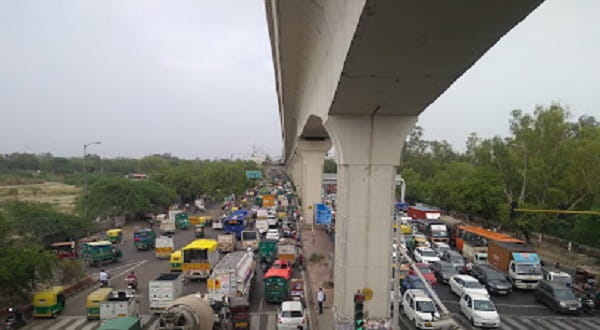
Even today, Peeragarhi remains one of the busiest points in West Delhi. Traffic congestion is still common, but the flyover plays a major role in reducing waiting time and improving connectivity across multiple directions.
| Parameter | Details |
| Name | Peeragarhi Flyover |
| Location | Peeragarhi, West Delhi, Delhi — 110087 |
| On Road | Rohtak Road (NH-10 extension) / Outer Ring Road |
| Cross Road | Najafgarh Road / Udyog Nagar Road |
| Direction Served | Punjabi Bagh ↔ Nangloi ↔ Paschim Vihar corridor |
| Nearest Metro Station | Peeragarhi Metro Station (Green Line) |
| Nearest Bus Stop | Peeragarhi Bus Stop — approx. 100–200 metres |
| Purpose | Reduce congestion at major West Delhi intersection |
| Administrative Area | Municipal Corporation of Delhi (MCD) |
| Governing Authority | PWD Delhi / Delhi Traffic Police |
| Recent News | Road widening and traffic signal optimization improvements |
| Best For | West Delhi commuters, industrial traffic, Najafgarh route connectivity |
Location and Address
Peeragarhi Flyover is located in West Delhi at the intersection of Rohtak Road and Outer Ring Road. It lies near Peeragarhi village, which has developed into a major urban junction over time. The flyover connects important areas like Punjabi Bagh, Paschim Vihar, Nangloi, and Udyog Nagar.
This location is very important because it acts as a link between central Delhi and outer industrial and residential regions. Rohtak Road is a major route connecting Delhi with Haryana towns like Bahadurgarh and Rohtak. Because of this, heavy traffic passes through this junction every day.
The surrounding area includes residential colonies, industrial units, markets, schools, and hospitals. Due to this mix of land use, Peeragarhi experiences continuous traffic throughout the day.
Directions — Getting To and Through Peeragarhi Flyover
Reaching Peeragarhi Flyover is easy because it is located on major arterial roads. If you are coming from central Delhi, you can take Ring Road or Rajouri Garden route and connect to Rohtak Road. From there, you will directly reach Peeragarhi junction.
If you are coming from Punjabi Bagh or Rajouri Garden, you can take the Outer Ring Road westbound. Peeragarhi Flyover comes directly on this route before reaching Paschim Vihar.
From Nangloi or Mundka side, you can travel via Rohtak Road (NH-10 extension) toward central Delhi. The flyover is one of the main entry points into the city from this direction.
From Paschim Vihar, local roads connect directly to Peeragarhi junction, making it easy for residents to access both Ring Road and Rohtak Road.
Driving through the flyover requires attention because multiple lanes merge from different directions. During peak hours, especially morning and evening office times, traffic can become slow due to heavy vehicle movement. Proper lane discipline is important to avoid delays and confusion.
Routes and Transit Connectivity
Peeragarhi Flyover connects several important road networks in West Delhi. The main route is Rohtak Road (NH-10 extension), which connects Delhi to Haryana towns like Bahadurgarh, Rohtak, and beyond. This makes it a major highway route for both passenger and goods transport.
Outer Ring Road is another major connection at this junction. It links Peeragarhi to key areas like Punjabi Bagh, Rajouri Garden, Pitampura, and Dhaula Kuan. This road is widely used for cross-city travel in Delhi.
Najafgarh Road and Udyog Nagar Road also connect near this junction, making it an important industrial and residential traffic point. Many small factories and industrial units are located in this area, increasing commercial traffic.
Public transport is widely available at Peeragarhi. Delhi Transport Corporation (DTC) buses and cluster buses run frequently through this route, connecting it to various parts of Delhi including ISBT, Dwarka, and Rohini.
The Peeragarhi Metro Station on the Green Line provides strong metro connectivity. It connects Inderlok, Kirti Nagar, Punjabi Bagh, and other major areas, making travel easier for daily commuters.
Auto-rickshaws, e-rickshaws, and cab services are easily available throughout the day due to high passenger demand.
Nearby Places
Peeragarhi Flyover is surrounded by several important residential, commercial, and industrial areas. One of the closest areas is Paschim Vihar, a well-developed residential colony with markets, schools, hospitals, and apartments. It is one of the most popular residential areas in West Delhi.
Punjabi Bagh is another nearby upscale locality known for its residential houses, clubs, restaurants, and shopping areas. It is a major social and commercial hub in West Delhi.
Nangloi is also close to Peeragarhi. It is a densely populated residential and semi-industrial area with strong connectivity to Rohtak Road.
Udyog Nagar is an industrial area near Peeragarhi with multiple factories and warehouses. This contributes significantly to heavy vehicle traffic in the region.
Rajouri Garden is another important nearby area known for shopping malls, markets, and entertainment zones. It is one of the busiest commercial hubs in West Delhi.
Other nearby locations include Moti Nagar, Kirti Nagar, and Pitampura, all of which are well-connected through Ring Road and metro lines.
Importance of Peeragarhi Flyover
Peeragarhi Flyover is one of the most important traffic management points in West Delhi. It helps control heavy traffic at a key junction where multiple major roads meet. Before the flyover was constructed, this intersection used to experience severe congestion due to crossing traffic from Rohtak Road and Outer Ring Road.
The flyover allows vehicles to bypass the intersection below, improving traffic flow and reducing delays. It is especially important for people traveling between central Delhi and outer areas like Nangloi and Bahadurgarh.
It also plays a crucial role in managing industrial traffic from nearby Udyog Nagar. Goods vehicles frequently use this route, making smooth traffic flow essential.
However, due to increasing population and vehicle numbers, congestion still occurs during peak hours. Even so, the flyover has significantly improved travel efficiency compared to earlier conditions.
Future infrastructure improvements and metro expansion are expected to further enhance connectivity in this region.
FAQ — Peeragarhi Flyover
Q: Why is Peeragarhi Flyover important?
A: It helps reduce traffic congestion at a major West Delhi junction connecting Ring Road and Rohtak Road.
Q: Which roads meet at Peeragarhi?
A: Rohtak Road (NH-10 extension), Outer Ring Road, and Najafgarh/Udyog Nagar routes.
Q: Which metro station is nearby?
A: Peeragarhi Metro Station on the Green Line is the closest.
Q: What is the best time to travel here?
A: Early morning and late evening have relatively less traffic.
Q: Is public transport available at Peeragarhi?
A: Yes, DTC buses, metro, autos, and cabs are widely available.
Q: Which areas are nearby Peeragarhi Flyover?
A: Paschim Vihar, Punjabi Bagh, Nangloi, Rajouri Garden, and Udyog Nagar.
Peeragarhi Flyover is a vital part of Delhi’s transport system. It connects major residential, commercial, and industrial areas of West Delhi and supports daily commuting for thousands of people. While traffic congestion remains a challenge due to high population density, the flyover continues to play an essential role in improving mobility and reducing travel delays across this busy corridor.