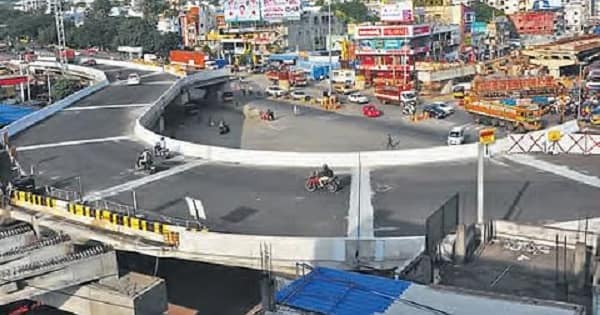
NAD Flyover is one of the most important traffic infrastructures in Visakhapatnam. Located at the busy NAD Junction (Naval Armament Depot Junction), this flyover plays a crucial role in managing traffic flow between different parts of the city, including the port area, industrial zones, and residential neighborhoods.
Visakhapatnam, often called Vizag, is a major coastal city with a strong industrial base, port activities, and growing urban population. NAD Junction has always been a key traffic point because it connects several important roads. Before the construction of the flyover, this area used to experience heavy traffic congestion, especially during peak hours.
The NAD Flyover was built to address this issue by allowing vehicles to move smoothly over the junction without stopping at signals. Today, it has become a lifeline for daily commuters, cargo vehicles, and long-distance travelers moving across the city.
| Parameter | Details |
| Name | NAD Flyover (Naval Armament Depot Flyover) |
| Location | NAD Junction, Visakhapatnam — 530009 |
| City | Visakhapatnam |
| State | Andhra Pradesh |
| Nearby Area | Gopalapatnam, Marripalem, Airport Area |
| Main Road | NH-16 (Chennai–Kolkata Highway) |
| Direction Served | City ↔ Industrial Area ↔ Highway routes |
| Nearest Airport | Visakhapatnam International Airport |
| Nearest Railway Station | Visakhapatnam Railway Station |
| Nearest Bus Stop | NAD Junction Bus Stop |
| Purpose | Reduce congestion at major junction |
| Governing Authority | NHAI / GVMC |
| Best For | City travel, cargo movement, highway connectivity |
Location and Address
NAD Flyover is located at NAD Junction in Visakhapatnam, one of the busiest intersections in the city. The junction is named after the Naval Armament Depot, a key defense establishment located nearby.
The flyover lies on National Highway 16 (NH-16), which is part of the Golden Quadrilateral and connects Chennai to Kolkata. This makes it an important route for both local and long-distance traffic.
Nearby areas include Gopalapatnam, Marripalem, and the airport region. These areas are a mix of residential, commercial, and industrial zones, leading to high traffic demand throughout the day.
Because of its strategic location, NAD Junction serves as a gateway to different parts of the city, including the port area, industrial zones, and residential neighborhoods.
Directions — Getting To and Through NAD Flyover
Reaching NAD Flyover is quite easy due to its location on a major highway.
If you are coming from the city center or RK Beach area, you can travel via NH-16 toward NAD Junction.
From the airport, you can reach the flyover within a short drive via connecting roads.
If you are coming from Gopalapatnam or Simhachalam, you can directly access the junction.
From industrial areas like Gajuwaka, you can travel via NH-16 and reach the flyover.
Driving on the flyover is generally smooth because it allows vehicles to bypass traffic signals. However, during peak hours (8–11 AM and 5–9 PM), traffic can slow down due to high vehicle volume and merging traffic.
Routes and Transit Connectivity
NAD Flyover connects several important routes in Visakhapatnam.
NH-16 (Chennai–Kolkata Highway)
This is the main road connected to the flyover and a major national highway.
Airport Road
Provides connectivity to the airport and nearby areas.
Gopalapatnam Route
Connects residential areas to the city.
Industrial Area Routes
Provide access to port and industrial zones.
Railway Connectivity
Visakhapatnam Railway Station is the main railway station in the city.
Airport Connectivity
Visakhapatnam International Airport is located nearby.
Bus Connectivity
APSRTC buses operate frequently from NAD Junction.
Public Transport
Autos, cabs, and city buses are widely available.
Nearby Places
NAD Flyover is surrounded by several important places.
Gopalapatnam
A residential area with markets and schools.
Marripalem
A busy locality with commercial establishments.
Simhachalam
A famous temple area nearby.
Airport Area
Visakhapatnam International Airport is located close to the flyover.
Railway Station
Visakhapatnam Railway Station provides rail connectivity.
Traffic Conditions and Peak Hours
Traffic at NAD Flyover is generally heavy due to its location on NH-16.
Morning (8–11 AM) and evening (5–9 PM) are the busiest times. During these hours, vehicles from residential, industrial, and commercial areas converge, causing congestion.
The flyover helps reduce delays, but traffic can still slow down at entry and exit points.
Late-night and early-morning travel is smoother and faster.
Importance of NAD Flyover
NAD Flyover is extremely important for Visakhapatnam’s transport system. It connects major parts of the city and supports both local and intercity travel.
Before the flyover was built, NAD Junction was known for heavy traffic jams and delays. The flyover has improved traffic flow and reduced travel time significantly.
It is especially important for cargo movement and industrial transport due to its connection with NH-16.
Development Around the Area
The area around NAD Junction has seen significant development. Residential colonies, commercial spaces, and industrial zones have expanded.
The presence of the airport and railway station nearby has further increased traffic demand.
The flyover supports this growth by improving connectivity and reducing congestion.
Daily Commuting Experience
For daily commuters, NAD Flyover has made travel more convenient. It allows vehicles to bypass traffic signals and reduces delays.
Public transport vehicles use this route frequently, making it a key part of the city’s transport network.
However, during peak hours, traffic can still be slow due to high demand.
Role in Industrial and Port Connectivity
One of the unique aspects of NAD Flyover is its importance for industrial and port connectivity. Visakhapatnam is a major port city, and goods movement is a significant part of traffic.
Heavy vehicles such as trucks and container carriers use this route to move between industrial zones and the port. The flyover helps these vehicles avoid congestion at the junction, improving efficiency.
Safety and Driving Tips
Driving on NAD Flyover is generally safe, but it is important to follow safety rules:
- Maintain lane discipline
- Follow speed limits
- Be cautious at entry and exit points
- Watch for heavy vehicles
- Avoid sudden lane changes
Future Scope and Improvements
With increasing traffic demand, there is a need for continuous improvements in road infrastructure. Authorities may consider additional lanes, better traffic management systems, and improved signage.
Smart traffic solutions and better public transport integration can further improve traffic conditions around NAD Flyover.
Conclusion
NAD Flyover is a vital part of Visakhapatnam’s road network. It helps manage traffic at a major junction and improves connectivity between different parts of the city.
Although congestion still occurs during peak hours, the flyover has significantly improved travel conditions and reduced delays. It continues to support thousands of vehicles every day and remains an essential route for smooth transportation.
As Visakhapatnam continues to grow as an industrial and urban hub, infrastructure like NAD Flyover will play a crucial role in ensuring efficient and reliable travel.
FAQ — NAD Flyover (Fully Explained)
Q1. Why is NAD Flyover important?
A: NAD Flyover is important because it reduces traffic congestion at one of the busiest junctions in Visakhapatnam. It allows vehicles to move without stopping at signals, saving time and improving travel efficiency.
Q2. Which highway is connected to NAD Flyover?
A: The flyover is located on NH-16, which connects major cities like Chennai and Kolkata. This makes it important for both local and long-distance travel.
Q3. Is the airport close to NAD Flyover?
A: Yes, Visakhapatnam International Airport is located nearby, making it convenient for travelers.
Q4. Why is traffic heavy at NAD Junction?
A: Traffic is heavy because the junction connects residential areas, industrial zones, and major highways. The movement of cargo vehicles also adds to congestion.
Q5. What is the best time to travel here?
A: Early morning and late night are the best times to travel, as traffic is lighter compared to peak hours.