There’s something truly exciting about walking across a suspension bridge. As the bridge gently sways beneath your feet, you’re surrounded by breathtaking views of rivers, forests, valleys, or mountains. These engineering marvels are much more than just a way to cross a river—they have become major tourist attractions that combine adventure, history, photography, and unforgettable sightseeing.
India is home to several spectacular suspension bridges spread across the Himalayas, river valleys, wildlife destinations, and scenic hill stations. Some have served local communities for decades, while others are modern attractions built to enhance tourism. Whether you’re planning a family vacation, a road trip, a trekking adventure, or a spiritual journey, visiting these suspension bridges can add a unique experience to your itinerary.
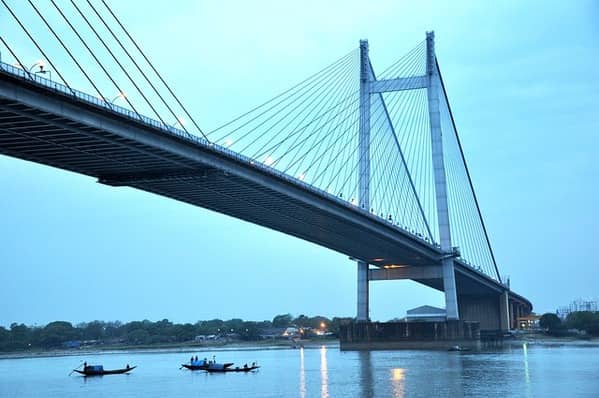
Here are the Top 10 Suspension Bridges You Must Visit in India that offer incredible views and memorable experiences.
Overview Table
| Suspension Bridge | State/UT | Best Time to Visit | Famous For | Ideal Visit Duration |
|---|---|---|---|---|
| Lakshman Jhula | Uttarakhand | October–March | Spiritual heritage and Ganga views | 2–3 Hours |
| Ram Jhula | Uttarakhand | October–March | Rishikesh landmarks | 2–3 Hours |
| Singshore Bridge | Sikkim | October–May | One of India’s highest suspension bridges | 2 Hours |
| Sky Bridge Pelling | Sikkim | October–May | Himalayan mountain views | 2 Hours |
| Hanging Bridge, Yumthang Valley | Sikkim | March–June, September–November | Scenic mountain landscapes | 1–2 Hours |
| Hanging Bridge, Tawang | Arunachal Pradesh | October–April | Himalayan river crossing | 2 Hours |
| Hanging Bridge, Chitkul | Himachal Pradesh | April–October | Baspa River views | 1–2 Hours |
| Hanging Bridge, Kasol | Himachal Pradesh | March–June, September–November | Parvati River scenery | 2 Hours |
| Hanging Bridge, Mechuka | Arunachal Pradesh | October–April | Traditional rope bridge experience | 2 Hours |
| Hanging Bridge, Sangla Valley | Himachal Pradesh | April–October | Apple orchards and mountain views | 2 Hours |
1. Lakshman Jhula, Uttarakhand
Although pedestrian movement on the original bridge has been restricted in recent years due to safety considerations, Lakshman Jhula remains one of India’s most iconic suspension bridges and a major landmark in Rishikesh. The surrounding area continues to attract millions of visitors every year.
Visitors can enjoy:
- Beautiful views of the River Ganga
- Temples and ashrams
- Riverside cafés
- Yoga centres
- Local shopping
The bridge has immense religious and historical significance and remains one of the most photographed locations in Rishikesh.
Best Time: October to March
2. Ram Jhula, Uttarakhand
Located a short distance from Lakshman Jhula, Ram Jhula is another famous suspension bridge connecting important spiritual centres of Rishikesh.
Highlights include:
- Ganga river views
- Parmarth Niketan Ashram
- Ganga Aarti
- Riverside markets
- Evening walks
The bridge is particularly beautiful during sunrise and sunset.
3. Singshore Bridge, Sikkim
Standing approximately 198 metres above the valley, Singshore Bridge near Pelling is one of the highest suspension bridges in India.
Visitors can experience:
- Spectacular mountain views
- Deep valleys
- Waterfalls
- Photography
- Scenic drives
The surrounding Himalayan landscape makes this bridge one of Sikkim’s top attractions.
4. Sky Bridge, Pelling, Sikkim
Located near the famous Chenrezig Statue, this modern suspension-style pedestrian bridge offers breathtaking views of the Kanchenjunga range.
Popular attractions include:
- Himalayan panoramas
- Glass skywalk
- Giant Buddha statue
- Photography
It combines engineering with one of India’s finest mountain viewpoints.
5. Hanging Bridge, Yumthang Valley, Sikkim
Small suspension bridges across mountain streams add charm to the beautiful Yumthang Valley.
Visitors can enjoy:
- Snow-covered mountains
- Colourful flowers (seasonal)
- River crossings
- Scenic trekking routes
The surrounding valley is among North Sikkim’s most picturesque destinations.
6. Hanging Bridge, Tawang, Arunachal Pradesh
Several suspension bridges around Tawang cross fast-flowing Himalayan rivers and offer incredible mountain scenery.
Highlights include:
- Crystal-clear rivers
- Snow-capped peaks
- Buddhist monasteries nearby
- Peaceful landscapes
These bridges provide excellent opportunities for photography.
7. Hanging Bridge, Chitkul, Himachal Pradesh
Located in India’s last inhabited village near the Indo-Tibetan border, the hanging bridge over the Baspa River is a favourite among travellers.
Visitors can explore:
- Baspa River
- Pine forests
- Traditional wooden houses
- Mountain trails
The peaceful surroundings create a memorable Himalayan experience.
8. Hanging Bridge, Kasol, Himachal Pradesh
Kasol features several pedestrian suspension bridges crossing the Parvati River, connecting villages and trekking routes.
Visitors enjoy:
- River views
- Riverside cafés
- Nature walks
- Trekking
The bridge is especially popular among backpackers and adventure travellers.
9. Hanging Bridge, Mechuka, Arunachal Pradesh
Mechuka is known for its traditional suspension bridges built across the Siyom River.
Visitors can experience:
- Scenic valleys
- Tribal villages
- Buddhist monasteries
- Untouched natural beauty
The region remains one of Northeast India’s hidden gems.
10. Hanging Bridge, Sangla Valley, Himachal Pradesh
Surrounded by apple orchards and towering mountains, Sangla Valley features charming suspension bridges that connect villages across the Baspa River.
Visitors can enjoy:
- Snow-covered peaks
- Apple orchards
- Riverside walks
- Photography
The bridge offers spectacular views throughout the year.
Why Visit Suspension Bridges?
Suspension bridges offer much more than convenient river crossings.
Visitors can:
- Enjoy panoramic views of rivers and mountains.
- Experience a mild adventure.
- Capture stunning travel photographs.
- Explore nearby villages and cultural sites.
- Witness remarkable engineering.
- Combine sightseeing with trekking and nature walks.
Many suspension bridges are located near popular tourist destinations, making them easy to include in your travel itinerary.
Tips for Visiting Suspension Bridges
To make your visit safe and enjoyable:
- Wear comfortable walking shoes.
- Avoid overcrowding on narrow bridges.
- Follow local safety instructions.
- Hold onto railings if you’re uncomfortable with heights.
- Visit during daylight for the best views.
- Carry a camera for panoramic photographs.
- Check weather conditions before visiting mountain regions.
Some bridges may have restrictions during heavy rainfall or maintenance work, so it’s advisable to verify local conditions before travelling.
Best Time to Visit Suspension Bridges in India
Most suspension bridges in India are best visited between October and March, when the weather is pleasant and visibility is excellent.
For Himalayan destinations such as Sikkim, Himachal Pradesh, and Arunachal Pradesh, spring and autumn offer clear skies and comfortable temperatures. During the monsoon season, some bridges and surrounding trekking routes may experience temporary restrictions due to heavy rainfall or strong river currents.
FAQs
1. Which is the highest suspension bridge in India?
A. Singshore Bridge in Sikkim is among the highest suspension bridges in India, standing approximately 198 metres above the valley and offering spectacular panoramic views.
2. Can tourists still visit Lakshman Jhula?
A. Yes. Tourists can visit the Lakshman Jhula area and enjoy its surrounding temples, cafés, and markets. However, pedestrian movement on the original bridge has been restricted due to safety concerns, so visitors should follow the latest local guidelines.
3. Are suspension bridges in India safe for visitors?
A. Yes. Most suspension bridges open to tourists are regularly maintained and designed to handle visitor traffic safely. Always follow posted safety instructions, avoid overcrowding, and respect any access restrictions.
4. What should I carry while visiting suspension bridges?
A. Carry comfortable walking shoes, sunglasses, sunscreen, a reusable water bottle, and a camera or smartphone for photography. If you’re visiting bridges in the Himalayas, pack a light jacket, as weather conditions can change quickly, especially during the morning and evening.