Imagine gliding through narrow waterways surrounded by dense forests where tree roots rise above the water, colourful birds fly overhead, and the possibility of spotting crocodiles, dolphins, or even a Royal Bengal Tiger adds excitement to every moment. Mangrove forests are among the most fascinating ecosystems on Earth, acting as natural barriers against storms, protecting coastlines from erosion, and providing shelter to thousands of species of plants, birds, fish, and wildlife.
India is home to some of the largest and most diverse mangrove forests in the world. Spread across the eastern and western coasts, these unique ecosystems are ideal for eco-tourism, wildlife photography, boating, birdwatching, and nature education. Whether you’re an adventure enthusiast, wildlife lover, or someone looking for peaceful natural escapes, exploring India’s mangrove forests is an experience unlike any other.
Here are the Top 10 Mangrove Forests to Visit in India that every nature enthusiast should explore.
Overview Table
| Mangrove Forest | State/UT | Best Time to Visit | Famous For | Ideal Trip Duration |
|---|---|---|---|---|
| Sundarbans National Park | West Bengal | October–March | Royal Bengal Tiger and UNESCO World Heritage Site | 3 Days |
| Bhitarkanika National Park | Odisha | October–March | Saltwater crocodiles | 2–3 Days |
| Pichavaram Mangrove Forest | Tamil Nadu | November–February | Boat rides through mangrove tunnels | 1–2 Days |
| Godavari Mangroves (Coringa Wildlife Sanctuary) | Andhra Pradesh | October–March | Rich birdlife and estuarine ecosystem | 2 Days |
| Muthupet Mangrove Forest | Tamil Nadu | October–March | Lagoon ecosystem and birdwatching | 2 Days |
| Kannur Mangroves | Kerala | October–March | Community-led eco-tourism | 1–2 Days |
| Vembanad Mangroves | Kerala | October–February | Backwaters and birdlife | 2 Days |
| Gulf of Kutch Mangroves | Gujarat | October–March | Marine National Park | 2–3 Days |
| Maharashtra Mangrove Conservation Areas | Maharashtra | November–February | Urban mangrove ecosystem | 1 Day |
| Andaman Mangrove Forests | Andaman & Nicobar Islands | November–April | Kayaking and island biodiversity | 3–4 Days |
1. Sundarbans National Park, West Bengal
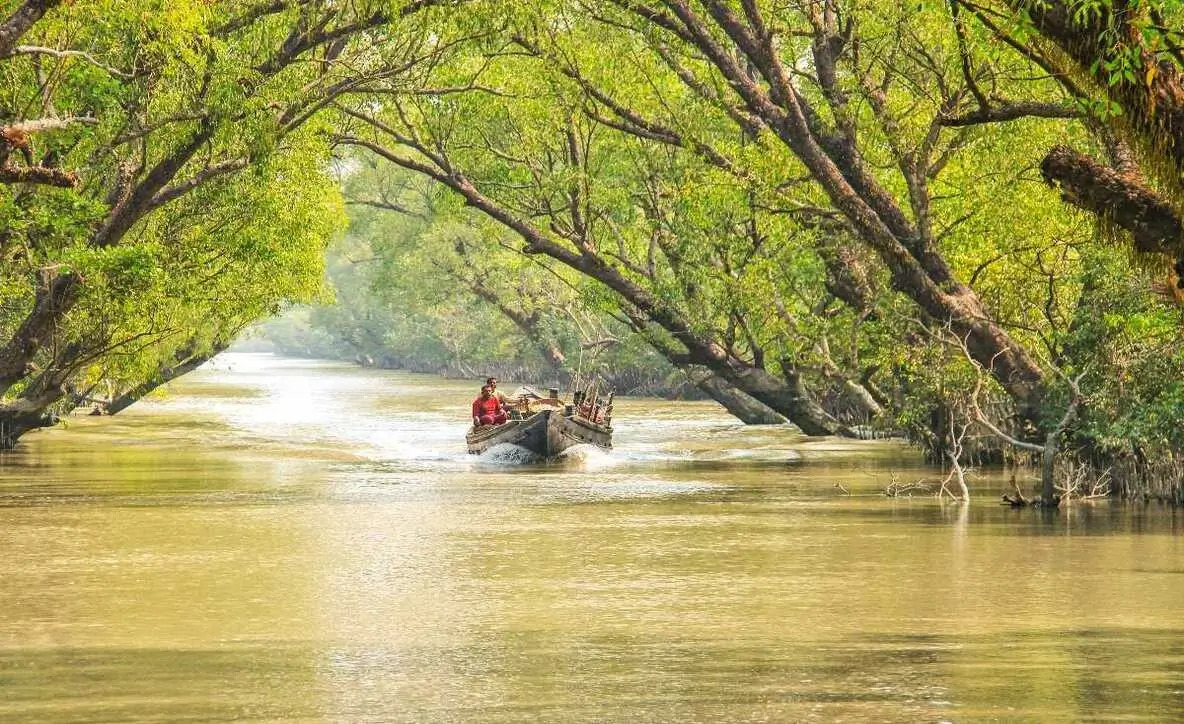
The Sundarbans is the largest mangrove forest in the world and a UNESCO World Heritage Site. Located in the Ganges-Brahmaputra delta, it is famous for its unique ecosystem and the elusive Royal Bengal Tiger.
Visitors can enjoy:
- Boat safaris
- Birdwatching
- Mangrove creek exploration
- Crocodile sightings
- Village eco-tourism
Apart from tigers, the forest is home to fishing cats, spotted deer, monitor lizards, and hundreds of bird species.
Best Time: October to March
2. Bhitarkanika National Park, Odisha
Bhitarkanika is India’s second-largest mangrove ecosystem and is renowned for its population of giant saltwater crocodiles.
Popular experiences include:
- Boat cruises
- Crocodile spotting
- Migratory birds
- Mangrove trails
- Nature photography
The park also supports king cobras, pythons, otters, and several species of turtles.
3. Pichavaram Mangrove Forest, Tamil Nadu
Pichavaram is one of India’s most accessible mangrove forests and is famous for its enchanting network of narrow waterways.
Visitors can experience:
- Rowboat rides
- Kayaking
- Mangrove tunnels
- Birdwatching
- Photography
The peaceful atmosphere makes it one of Tamil Nadu’s top eco-tourism destinations.
4. Coringa Wildlife Sanctuary, Andhra Pradesh
Located near Kakinada, Coringa Wildlife Sanctuary protects one of India’s largest mangrove ecosystems.
Highlights include:
- Elevated boardwalks
- Boat safaris
- Estuarine birds
- Mudflats
- Fishing communities
The sanctuary is an excellent destination for birdwatchers and wildlife enthusiasts.
5. Muthupet Mangrove Forest, Tamil Nadu
Situated near the Cauvery delta, Muthupet is known for its peaceful lagoons and thriving mangrove ecosystem.
Visitors can enjoy:
- Boat rides
- Observation towers
- Migratory birds
- Scenic landscapes
The calm environment makes it an ideal destination for nature lovers.
6. Kannur Mangroves, Kerala
Kannur has emerged as a successful example of community-based mangrove conservation.
Visitors can experience:
- Canoe rides
- Nature trails
- Birdwatching
- Village tourism
The local community actively participates in protecting and promoting the mangrove ecosystem.
7. Vembanad Mangroves, Kerala
The Vembanad region combines Kerala’s famous backwaters with patches of mangrove forests that support diverse aquatic life.
Popular activities include:
- Houseboat cruises
- Canoeing
- Birdwatching
- Village experiences
The tranquil surroundings make it perfect for eco-friendly holidays.
8. Gulf of Kutch Mangroves, Gujarat
The Gulf of Kutch Marine National Park features extensive mangrove forests along with coral reefs and marine biodiversity.
Visitors can explore:
- Mangrove trails
- Marine life
- Coastal birdwatching
- Nature interpretation centres
It is one of India’s most important coastal conservation areas.
9. Maharashtra Mangrove Conservation Areas
Cities like Mumbai, Navi Mumbai, and Thane are surrounded by protected mangrove ecosystems that play a vital role in maintaining ecological balance.
Visitors can enjoy:
- Nature walks
- Birdwatching
- Guided eco-tours
- Environmental education
These mangroves demonstrate how nature can thrive even near major urban centres.
10. Andaman Mangrove Forests
The Andaman & Nicobar Islands feature pristine mangrove forests spread across creeks, estuaries, and coastal lagoons.
Visitors can enjoy:
- Kayaking through mangroves
- Birdwatching
- Island wildlife
- Photography
- Eco-tours
The untouched beauty of these forests makes them among India’s finest mangrove destinations.
Why Visit Mangrove Forests?
Mangrove forests are among the most valuable ecosystems on the planet.
Visitors can:
- Explore unique coastal landscapes.
- Spot rare birds and wildlife.
- Enjoy peaceful boating and kayaking.
- Learn about marine biodiversity.
- Experience eco-tourism responsibly.
- Capture stunning nature photographs.
- Understand the importance of coastal conservation.
These forests also help protect coastal communities from cyclones, tidal surges, and erosion.
Tips for Visiting Mangrove Forests
To enjoy your visit safely and responsibly:
- Wear light, comfortable clothing.
- Carry insect repellent.
- Use sunscreen, sunglasses, and a hat.
- Follow designated boating routes.
- Maintain silence to avoid disturbing wildlife.
- Carry binoculars for birdwatching.
- Avoid littering and single-use plastics.
Hiring certified local guides can make your visit more informative and environmentally responsible.
Best Time to Visit Mangrove Forests in India
The ideal season for visiting most mangrove forests is October to March, when the weather is pleasant, humidity is lower, and wildlife activity is easier to observe.
Winter is also the best season for birdwatching, as many migratory species arrive during this period. Avoid peak monsoon months if possible, as heavy rainfall and high tides may affect boating and accessibility in some regions.
FAQs
1. Which is the largest mangrove forest in India?
A. The Sundarbans National Park in West Bengal is the largest mangrove forest in India and the world. It is a UNESCO World Heritage Site and is globally renowned for its Royal Bengal Tigers and rich biodiversity.
2. Which mangrove forest is best for boat rides?
A. Pichavaram Mangrove Forest in Tamil Nadu is one of the best destinations for boat rides, allowing visitors to navigate through narrow mangrove channels and enjoy the peaceful surroundings. Boat safaris in the Sundarbans and Bhitarkanika are also highly popular.
3. Can families visit mangrove forests?
A. Yes. Many destinations, including Pichavaram, Coringa Wildlife Sanctuary, Vembanad, and Bhitarkanika, are suitable for families. Guided boat rides, nature trails, and interpretation centres make these destinations educational and enjoyable for visitors of all ages.
4. What should I carry while visiting a mangrove forest?
A. Carry comfortable clothing, walking shoes or sandals with a good grip, insect repellent, sunscreen, sunglasses, a reusable water bottle, binoculars for birdwatching, and a camera. It’s also advisable to carry a waterproof bag to protect your belongings during boat rides and always follow the instructions of local guides for a safe and eco-friendly experience.