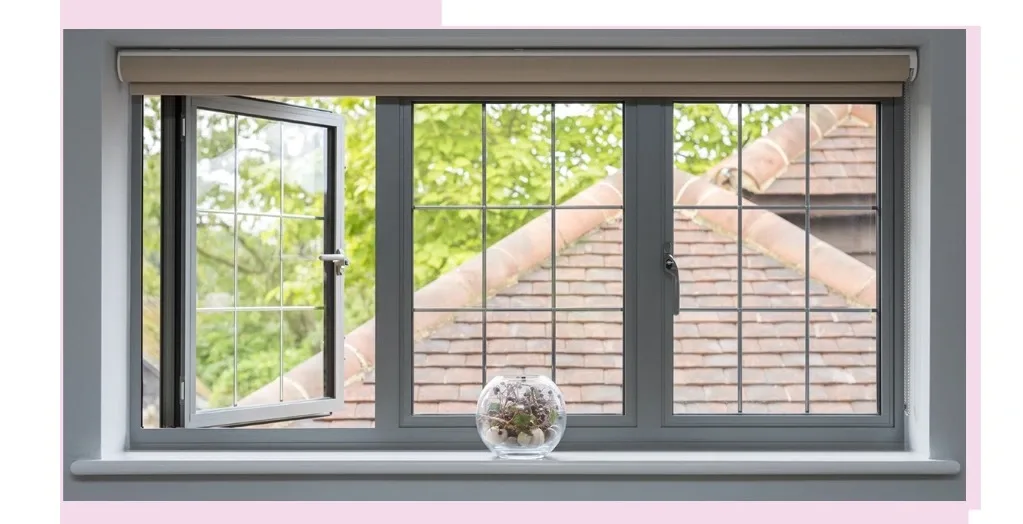
Some windows just open. A French window turns it into a small event. Push both panels wide, and the wall seems to melt away, leaving a tall, clear opening that draws the outdoors straight in. This style has hung around for well over a century, and for good reason. It pulls off three jobs at once, and pulls them off with grace: letting in light, moving air, and giving a room a kind of elegance that plainer windows just can’t reach.
In Indian homes, where light and airflow shape how comfortable a space feels, the French window has quietly become one of the more rewarding window styles you can choose.
What Sets a French Window Apart?
Strip it back and a French window is really just two panels, mostly glass, that meet in the centre and swing open from the sides, inward or out. There’s no fixed post in the middle chopping up the view. Shut them and you’ve got a tall sweep of glass. Open them and the whole opening is clear, with nothing in your way.
That missing middle divider is the entire charm of the thing. More glass, more light, and a clean run of sight through to whatever’s out there, a balcony, a garden, a piece of sky. A regular window shows you a view in sections. A French window hands it to you whole.
Light That Fills the Room
Since a French window is glass almost top to bottom, the amount of daylight it lets in is genuinely surprising. Rooms that felt shut off start to breathe. Corners that were forever a bit dim brighten up over the course of the day. In a home starved of natural light, one well-placed French window can shift how a whole space feels, and you haven’t changed anything else.
How good that light is comes down partly to the glass. Clear glass for windows gives you the brightest, most open result and the sharpest view. Facing a room into harsh afternoon sun? Tinted or double-glazed options reduce heat while keeping things bright. The glass quietly does a lot of the work here, and picking the right kind for the way a room faces makes all the difference.
Ventilation Without Compromise
The other thing a French window does beautifully is breathe. Fling both panels open and the entire opening is free for air to move through. On a nice evening that’s a proper cross-breeze, not the mean little draught you get from a small window.
Which is why French windows suit living rooms that open onto balconies or gardens, and bedrooms where you want fresh air on a cooler night. Among openable windows, not many push this much airflow while still looking this good. And the moment the weather turns, they close up tight, keeping dust, rain, and noise on the outside where they belong.
Why Aluminium Suits French Windows?
A French window has tall panels that open and close all the time, and that puts real demands on the frame. It has to hold the glass steady, stay square across years of use, and seal properly every single time it closes. So the frame material genuinely matters.
Aluminium French window systems handle all of this with ease. Aluminium is strong for its weight, so frames can stay slim while still supporting large panes, keeping the glass area generous and the whole thing looking clean. Premium aluminium windows also seal well when shut, holding out weather and dust between openings. And because aluminium doesn’t warp, swell, or rot the way timber does, a French window keeps its exact fit through monsoons and summers both.
Eternia builds its systems on Duranium, a special aluminium alloy Hindalco developed that’s 40% stronger than regular aluminium. That extra strength lets the panels stay slender but sturdy, gliding open smoothly and shutting tight year after year. For a window opened as often as a French window is, that kind of lasting reliability really counts.
Choosing the Right Configuration
Part of the appeal is just how adaptable the style is. A classic French window runs on two side-hung panels, and aluminium casement windows are the obvious fit here, swinging open cleanly and sealing up firm. Want something taller and more dramatic? Run the panels floor to ceiling and the window turns into an almost door-like opening onto a terrace or garden.
When the opening is really wide, and the panels get large, some homeowners lean toward lift and slide doors instead. Same expansive glass, same full opening, but the panels slide sideways rather than swinging out. It comes down to scale and how you want the thing to behave. For most rooms, the traditional side-opening French window sits right in the sweet spot. For a big garden-facing wall, a sliding system might serve you better. Good windows for a house get chosen to suit the room, never forced into it.
Where French Windows Shine?
French windows do their best work wherever a room meets the outdoors. A living room opening onto a balcony feels twice the size with a French window bridging the two. A bedroom picks up a bright, airy quality and an easy line out to a terrace. Even a study or a dining space lifts once a French window brings in light and a view.
They also just look wonderful, which is worth something. That tall, symmetrical stretch of glass carries a timeless elegance that sits happily in contemporary and more traditional interiors alike.
And that, really, is the whole appeal. A French window doesn’t make you pick between style, light, and fresh air. It gives you all three together, and it does it with an ease that keeps homeowners coming back to the design generation after generation. Set it in a quality aluminium frame that keeps it slim, bright, and weather-tight for the long haul, and it’s a window that earns its place in a home many times over.