When buying furniture like beds, wardrobes, dining tables, or kitchen cabinets in India, the biggest confusion is between Engineered Wood and Solid Wood. Both have their own advantages, but they behave very differently in our hot, humid, and dusty climate. This easy-to-understand comparison will help you decide what’s best for your home in Delhi, Mumbai, Bangalore, or any other city.
What is Solid Wood?
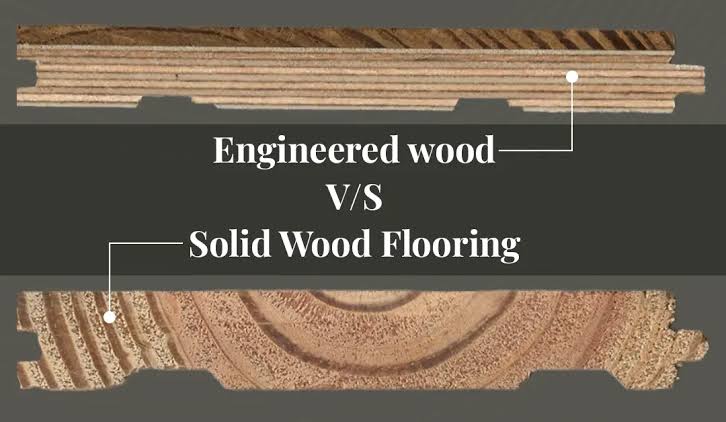
Solid Wood is 100% natural wood cut directly from trees such as Teak, Sheesham (Rosewood), Mango, Acacia, or Sal. It is strong, heavy, and has a unique natural grain. Every piece is different and develops character over time.
What is Engineered Wood?
Engineered Wood is man-made material created by compressing wood fibers, chips, or particles with resin. It includes MDF, Particle Board, HDF, and Plywood. These boards are then covered with laminate, veneer, or acrylic to give a beautiful finish. Brands like Greenply, Century, Action Tesa, and Archidply are very popular in India.
Head-to-Head Comparison
-
Looks & Feel
- Solid Wood: Gives a rich, premium, and authentic wooden look. The natural grain and texture feel luxurious and warm.
- Engineered Wood: Can look almost the same after applying good laminate or veneer. However, it lacks the natural warmth and depth of real wood.
-
Cost
- Solid Wood: Much more expensive. A solid wood double bed can cost ₹40,000 to ₹1,50,000+.
- Engineered Wood: Budget-friendly. The same bed can be made for ₹15,000 to ₹45,000. Great advantage for middle-class Indian families.
-
Strength & Durability
- Solid Wood: Extremely strong and long-lasting. Can handle heavy weight and last for generations.
- Engineered Wood: Strong enough for normal use but can sag over time if not properly supported. Not as robust as solid wood.
-
Moisture & Indian Climate
This is a very important point for India.
- Solid Wood: Can expand, contract, or develop cracks in extreme humidity or dry heat. Teak performs best in humid areas.
- Engineered Wood: Generally more stable and does not warp easily. However, cheap particle board swells badly if water touches the edges during monsoon.
-
Termite & Borer Resistance
- Solid Wood: Can get termites easily if not treated regularly.
- Engineered Wood: Usually pre-treated and more resistant, especially MDF and plywood.
-
Maintenance
- Solid Wood: Needs regular polishing (every 6–12 months) to maintain shine and protection.
- Engineered Wood: Very low maintenance. Just wipe with a damp cloth. Laminate or membrane finish is easy to clean.
-
Weight
- Solid Wood: Heavy and sturdy.
- Engineered Wood: Much lighter, making it easier to shift and better for rented homes or upper floors.
-
Lifespan
- Solid Wood: 30–100+ years with good care.
- Engineered Wood: 10–20 years depending on quality and usage.
Which One Should You Choose?
Choose Solid Wood if:
- You want furniture that lasts for generations.
- You love the natural look and feel of real wood.
- Budget is comfortable.
- For main pieces like beds, dining tables, or doors.
Choose Engineered Wood if:
- Budget is limited or medium.
- You want modern designs and consistent finish.
- Need lighter furniture.
- For wardrobes, TV units, kitchen cabinets, and pooja units.
Smart Indian Tip: Many smart families now use a hybrid approach — Solid Wood for visible and high-use areas (like bed and dining table) and Engineered Wood (with good laminate) for storage furniture and kitchen to save money. Always choose BWR/MR grade for engineered wood in Indian conditions.
Environmental & Health Angle
Solid Wood uses more natural resources. Engineered Wood makes better use of wood waste and is more sustainable. Always buy E0/E1 grade (low formaldehyde) engineered wood and FSC-certified solid wood.
Frequently Asked Questions (FAQ)
Q1. Which is better – Engineered Wood or Solid Wood?
Solid Wood is better for strength and longevity, but Engineered Wood is better for budget, consistency, and low maintenance.
Q2. Does Engineered Wood look cheap?
Not anymore. With good laminate or veneer, it looks very similar to solid wood.
Q3. Which is better for Indian kitchen?
Engineered Wood with waterproof laminate is more practical. Solid wood needs more care.
Q4. Does Solid Wood crack in summer?
Yes, it can if not seasoned properly or in very dry climates.
Q5. What is the price difference?
Solid Wood furniture is usually 2–4 times more expensive than Engineered Wood.
Q6. Which one is more termite resistant?
Good quality Engineered Wood is generally better if properly treated.
Q7. Best brands in India?
- Solid Wood: Local carpenters using Teak/Sheesham
- Engineered Wood: Greenply, Century Ply, Action Tesa
Q8. Can Engineered Wood be repaired?
Difficult compared to solid wood, which a carpenter can easily polish and repair.
Final Verdict
Solid Wood is the superior choice if you want timeless beauty, maximum strength, and furniture that can be passed down to the next generation. However, Engineered Wood is the practical winner for most Indian families today because it is affordable, stable, low-maintenance, and offers excellent value for money.
The best solution is often a combination of both materials as per your budget and usage. Before buying, visit showrooms in your city (Kirti Nagar in Delhi is one of the best places), touch and feel the materials, and clearly explain your climate and family needs to the designer.
Remember, good furniture should not only look beautiful on day one but also survive real Indian life — festivals, kids, cooking, and changing seasons. Choose according to your priorities and budget for a happy home!