Festive seasons bring joy, togetherness, and celebration. Whether it’s Diwali, Christmas, Eid, Navratri, Durga Puja, Pongal, Onam, or New Year celebrations, these occasions often come with shopping festivals, attractive discounts, gift exchanges, travel plans, and social gatherings. While celebrating with family and friends is important, it’s also easy to overspend in an attempt to keep up with others.
Social media, flash sales, and limited-time offers can create a strong sense of Fear of Missing Out (FOMO), making us feel like we need to buy more than we actually need. The result is often financial stress that continues long after the celebrations end.
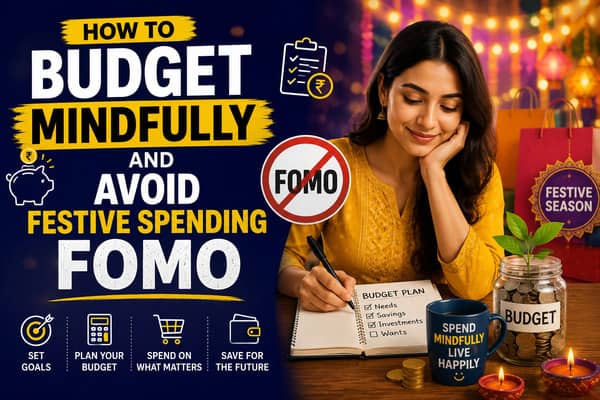
The good news is that you can enjoy the festive season without compromising your financial well-being. Here’s how to budget mindfully and avoid festive spending FOMO.
What Is Festive Spending FOMO?
Festive spending FOMO is the feeling that you’re missing out if you don’t participate in every sale, buy expensive gifts, wear new clothes, or celebrate exactly like others.
It often appears in situations such as:
- Buying items because everyone else is shopping.
- Feeling pressured to purchase expensive gifts.
- Spending beyond your budget during festive sales.
- Comparing your celebrations with those shared on social media.
- Using credit cards impulsively to keep up with trends.
Recognising these behaviours is the first step toward making smarter financial decisions.
Create a Festive Budget Before Shopping
One of the easiest ways to avoid overspending is to decide your budget before you start shopping.
Include categories such as:
- Gifts
- Decorations
- Clothing
- Travel
- Food and sweets
- Entertainment
- Charity or donations
Once you’ve allocated a spending limit for each category, try your best to stick to it.
A clear budget helps you enjoy the festivities without unexpected financial surprises.
Separate Needs From Wants
Festive promotions often encourage impulse buying by making every offer seem irresistible.
Before making a purchase, ask yourself:
- Do I actually need this?
- Will I use it after the festival?
- Was I planning to buy it before seeing the discount?
- Am I buying this because of social pressure?
These simple questions can prevent unnecessary purchases.
Don’t Compare Your Celebrations
Social media usually highlights beautifully decorated homes, luxury gifts, expensive vacations, and lavish celebrations.
Remember:
- People share their highlights, not their financial reality.
- Every family celebrates differently.
- Meaningful moments aren’t measured by how much money you spend.
Focus on creating memorable experiences rather than trying to match someone else’s lifestyle.
Make a Shopping List
Walking into a shopping mall or browsing online without a plan often leads to impulse purchases.
Prepare a list before shopping and include:
- Gifts
- Clothing
- Groceries
- Decorations
- Festival essentials
Buying only what’s on your list helps you stay focused and within budget.
Set a Gift Budget
Gift-giving is a meaningful tradition, but expensive presents aren’t always necessary.
Instead:
- Decide a spending limit for each person.
- Consider handmade or personalised gifts.
- Organise family gift exchanges.
- Focus on thoughtful rather than costly presents.
People often remember the thought behind a gift more than its price.
Avoid Last-Minute Shopping
Waiting until the last minute can lead to rushed decisions and unnecessary spending.
Plan ahead by:
- Buying gifts early.
- Comparing prices.
- Watching for genuine discounts.
- Avoiding panic purchases.
Planning also reduces stress during busy festive periods.
Be Careful With Credit Cards
Credit cards make festive shopping convenient, but they can also encourage overspending.
Before using credit:
- Ensure you can repay the balance on time.
- Avoid purchasing items you can’t comfortably afford.
- Don’t let cashback offers justify unnecessary spending.
Using cash, debit cards, or prepaid budgets can help you stay more aware of your spending.
Focus on Experiences Instead of Purchases
The most meaningful festive memories often come from shared experiences rather than expensive shopping.
Consider activities like:
- Cooking together.
- Family game nights.
- Watching festive movies.
- Decorating your home.
- Visiting relatives.
- Volunteering in your community.
These experiences create lasting memories without placing unnecessary pressure on your finances.
Practise Mindful Shopping
Before completing a purchase, pause for a moment and ask yourself:
- Does this align with my budget?
- Will this improve my celebration?
- Am I shopping because I truly want this or because I’m afraid of missing out?
A short pause can prevent impulsive decisions.
Save Throughout the Year
Instead of relying on credit during the festive season, consider creating a dedicated celebration fund.
Even setting aside a small amount every month can help cover:
- Festival shopping.
- Travel expenses.
- Family gatherings.
Planning ahead makes celebrations more enjoyable and less financially stressful.
Celebrate According to Your Values
Every family has different traditions, priorities, and financial circumstances.
Ask yourself:
- What makes this festival meaningful for me?
- Which traditions matter most?
- Where can I simplify without reducing happiness?
Celebrating according to your values often brings more satisfaction than trying to meet outside expectations.
Sample Mindful Festive Budget
Here’s an example of how you might plan your festive spending:
- Gifts: 30%
- Food and sweets: 25%
- Clothing: 20%
- Decorations: 10%
- Travel: 10%
- Emergency or unexpected expenses: 5%
Adjust these percentages based on your income, priorities, and personal circumstances.
Final Thoughts
Festivals are meant to bring happiness, gratitude, and togetherness—not financial stress. While seasonal sales and social media trends can make it tempting to spend more, mindful budgeting allows you to celebrate without compromising your long-term financial goals.
By creating a realistic budget, distinguishing between needs and wants, avoiding unnecessary comparisons, and focusing on meaningful experiences, you can enjoy every celebration with greater peace of mind. Remember, the true spirit of any festival lies in the memories you create, the relationships you nurture, and the gratitude you share—not the amount of money you spend.
Choosing mindful spending today can help you enter the new year feeling financially secure instead of burdened by unnecessary debt.
Frequently Asked Questions (FAQs)
1. What is festive spending FOMO?
Festive spending FOMO is the fear of missing out that leads people to overspend during holidays and celebrations because of social pressure, discounts, or comparisons with others.
2. How can I create a festive budget?
List your expected expenses for gifts, food, clothing, travel, and decorations, then assign a realistic spending limit to each category based on your financial situation.
3. Is it okay to celebrate on a small budget?
Absolutely. Meaningful celebrations focus on family, traditions, and shared experiences rather than expensive purchases.
4. How can I avoid impulse shopping during festive sales?
Prepare a shopping list, compare prices, separate needs from wants, and pause before making purchases to ensure they fit your budget.
5. Why is mindful budgeting important during festivals?
Mindful budgeting helps prevent unnecessary debt, reduces financial stress, protects your savings, and allows you to enjoy celebrations without worrying about overspending afterward.