When choosing materials for furniture, kitchen cabinets, wardrobes, or doors, most Indian homeowners get confused between Veneer and Laminate. Both look like wood, but they are very different in quality, price, look, and performance. This article will help you make the right choice for your home in Delhi, Mumbai, Bangalore or any Indian city.
What is Veneer?
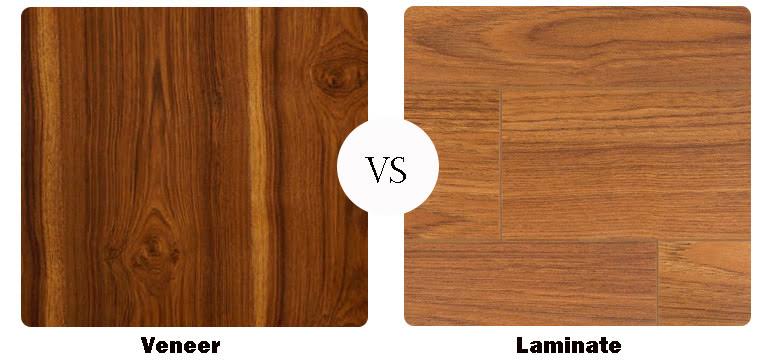
Veneer is a thin layer (usually 0.5mm to 3mm) of real natural wood. It is cut from actual wood logs like Teak, Walnut, Oak, Mahogany, or Indian Rosewood. This real wood layer is glued onto plywood or MDF boards. It gives an authentic, rich, and luxurious wooden feel that synthetic materials cannot match.
What is Laminate?
Laminate is a man-made material created by layering paper soaked in resin and pressing it under high heat and pressure. It is then stuck on plywood or MDF. Popular Indian brands include Merino, Greenlam, Century, Formica, and Action Tesa. Laminate comes in thousands of designs – wood looks, marble, solid colours, textures, and high-gloss.
Head-to-Head Comparison
Looks & Feel
- Veneer wins easily. It has the natural grain, texture, and warmth of real wood. Every piece is unique. It looks expensive and elegant.
- Laminate can look very similar to wood nowadays, but if you look closely or touch it, it feels artificial. However, modern laminates with synced pores and matte finishes are getting closer to real wood.
Cost
- Veneer is more expensive. A good veneer finished wardrobe or kitchen costs ₹2,200 – ₹4,000 per sq.ft.
- Laminate is cheaper and more value-for-money. It usually costs ₹1,600 – ₹2,800 per sq.ft. For most middle-class Indian families, laminate is more practical.
Durability
- Laminate is stronger in daily use. It is highly resistant to scratches, stains, and impact.
- Veneer is softer and can get scratched or dented more easily. However, it can be polished and repaired by carpenters.
Moisture & Indian Climate
This is very important for India.
- Both can get damaged in high humidity if not sealed properly.
- Laminate generally handles moisture better because it is non-porous.
- Veneer is natural wood, so it can expand, contract, or warp in monsoon season if the quality is average or edges are not sealed well. Always choose seasoned plywood + good quality veneer.
Maintenance
- Laminate is very easy to maintain. Just wipe with a damp cloth. It doesn’t need polishing.
- Veneer needs more care. You should polish it every 6–12 months to maintain the shine. It can stain if masala or water spills stay for long.
Longevity & Repair
- Both can last 10–15 years with good care.
- Veneer can be sanded and repolished multiple times, giving it a longer life.
- Laminate is difficult to repair. If damaged badly, you usually need to replace the whole sheet.
Design Variety
- Laminate offers much more variety – hundreds of colours and patterns.
- Veneer has limited natural wood options, but it looks more premium.
Which One Should You Choose?
Choose Veneer if:
- You want a rich, luxurious, natural wood look.
- You are okay with higher budget.
- You have a dry climate or good ventilation in your home.
- You love the authentic wooden furniture feel (common in premium Delhi homes in South Delhi or Gurgaon).
Choose Laminate if:
- You want better durability and scratch resistance.
- Budget is a concern.
- There are children at home.
- You cook frequently or live in humid areas (Mumbai, Kolkata, Chennai).
- You want more colour and design options.
Smart Indian Choice: Many people now use a combination – Veneer on visible areas like main doors, TV units, and wardrobe shutters for premium look, and Laminate on kitchen lower cabinets and high-use areas for durability.
Environmental Angle
Veneer uses real wood, so choose FSC certified sustainable veneer. Laminate uses less wood but is made from chemicals. Always ask for E1 grade boards for low formaldehyde emission, especially important for kids and elderly.
Frequently Asked Questions (FAQ)
Q1. Which is better – Veneer or Laminate?
It depends on your priority. Veneer is better for looks and luxury, while Laminate is better for durability and budget.
Q2. Is Veneer real wood?
Yes, it is a thin layer of real natural wood, not synthetic.
Q3. Which is more expensive?
Veneer is usually 30–70% more expensive than laminate.
Q4. Which is better for Indian kitchen?
Laminate is generally safer for Indian kitchens due to heat, oil, and moisture. Use veneer only on upper cabinets if you really want it.
Q5. Does Veneer fade or change colour?
Natural veneer can darken over time (which many people like), while laminate colour stays more consistent.
Q6. Can Veneer be used in bathrooms?
Not recommended. Laminate is better for areas with moisture.
Q7. Which brands are good in India?
- Veneer: Greenply, Century, Merino Veneers, Kitply
- Laminate: Greenlam, Merino, Formica, Century
Q8. Is it easy to repair Veneer?
Yes, a local carpenter can polish and repair minor scratches easily.
Final Verdict
There is no absolute winner. Laminate is the practical and popular choice for most Indian middle-class homes because it is durable, affordable, and low-maintenance. Veneer is ideal if you want that high-end, natural wooden elegance and are ready to spend more and maintain it carefully.