Architecture is one of those careers where creativity has to work together with engineering, technology and an understanding of how people use spaces. For Indian students interested in designing homes, commercial buildings, public spaces, sustainable communities and future cities, choosing the right architecture college can have a major influence on professional development.
A good architecture college is not just about classroom lectures. Students spend considerable time in design studios, workshops, model-making, site visits, software training and practical projects. The Bachelor of Architecture (B.Arch.) is also a demanding professional programme, so recognition, faculty, infrastructure and exposure to real architectural work deserve careful attention.
For students planning admission in 2026, India offers excellent architecture programmes through Schools of Planning and Architecture (SPAs), IITs, NITs and universities. The following list highlights 10 prominent institutions worth considering based on their established academic reputation, architecture and planning ecosystem, national standing and opportunities available to students. It should be treated as a practical shortlist rather than an official 2026 ranking.
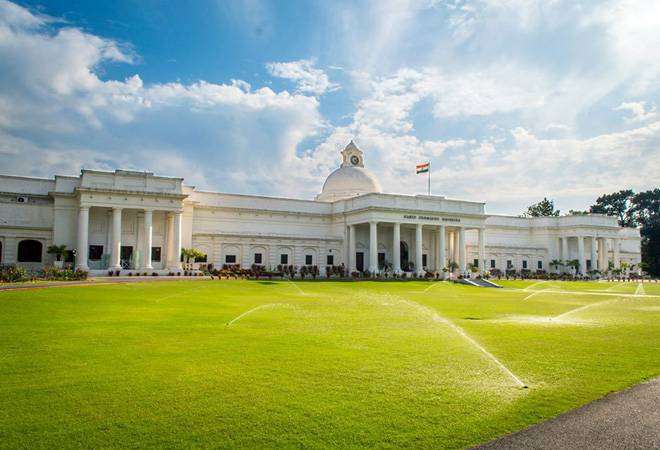
Top 10 Architecture Colleges in India 2026
| Rank | College | Location | Major Strength |
|---|---|---|---|
| 1 | IIT Roorkee | Roorkee, Uttarakhand | Architecture, Planning & Research |
| 2 | NIT Calicut | Kozhikode, Kerala | Architecture & Planning |
| 3 | IIT Kharagpur | Kharagpur, West Bengal | Architecture & Regional Planning |
| 4 | SPA Delhi | New Delhi | Architecture, Planning & Design |
| 5 | CEPT University | Ahmedabad, Gujarat | Architecture & Built Environment |
| 6 | SPA Bhopal | Bhopal, Madhya Pradesh | Architecture & Planning |
| 7 | NIT Tiruchirappalli | Tiruchirappalli, Tamil Nadu | Architecture & Engineering Exposure |
| 8 | SPA Vijayawada | Vijayawada, Andhra Pradesh | Architecture & Planning |
| 9 | Jamia Millia Islamia | New Delhi | Architecture & Ekistics |
| 10 | Chandigarh College of Architecture | Chandigarh | Architecture & Urban Design Exposure |
Important: Rankings can change from year to year. Students should also check the latest NIRF results, Council of Architecture recognition, programme structure and official 2026 admission requirements before applying.
1. IIT Roorkee
Indian Institute of Technology Roorkee is one of India’s oldest and most respected technical institutions. Its Department of Architecture and Planning has a long history of architecture education and offers students the advantages of studying within a major IIT ecosystem.
Students receive exposure to architecture along with technology, planning, engineering and research.
Why IIT Roorkee stands out:
- Strong architecture and planning tradition
- IIT academic ecosystem
- Advanced research environment
- Interdisciplinary opportunities
- Established alumni network
- Strong technical infrastructure
For students who enjoy both creative design and the technical side of buildings, IIT Roorkee can be an excellent choice.
2. NIT Calicut
National Institute of Technology Calicut (NITC) is another highly regarded destination for architecture aspirants.
Its Department of Architecture and Planning offers an environment where architectural design is supported by planning, technology and professional education.
The institute’s location in Kerala also gives architecture students exposure to a region known for distinctive climatic design, traditional architecture and rapidly developing urban areas.
Students should consider NIT Calicut for:
- Architecture studios
- Planning education
- Technical learning
- Established NIT infrastructure
- Residential campus experience
- Interdisciplinary exposure
Admission is highly competitive, so aspirants should examine previous counselling cut-offs when preparing their preferences.
3. IIT Kharagpur
IIT Kharagpur offers architecture education through its Department of Architecture and Regional Planning.
One of its major strengths is the broader IIT environment. Architecture students can interact with engineering, technology and other academic disciplines, which can be valuable as modern architecture becomes increasingly connected with sustainability, digital design and advanced construction systems.
Students can gain exposure to:
- Architectural design
- Regional planning
- Building technology
- Urban development
- Sustainable design
- Interdisciplinary research
Students interested in combining architecture with technology and research should keep IIT Kharagpur high on their shortlist.
4. School of Planning and Architecture, Delhi
School of Planning and Architecture (SPA), New Delhi is one of India’s most recognised institutions dedicated to architecture, planning and the built environment.
Unlike a general engineering college, SPA Delhi’s academic environment revolves heavily around architecture, planning and design.
Its New Delhi location also provides students with access to a fascinating mix of historical architecture, government buildings, modern commercial development, urban infrastructure and rapidly changing neighbourhoods.
Major advantages include:
- Architecture-focused academic environment
- Strong design-studio culture
- Urban and planning exposure
- Established reputation
- Access to Delhi’s diverse built environment
- Specialised postgraduate opportunities
For students who want to study within a specialised architecture and planning institution, SPA Delhi is one of India’s strongest options.
5. CEPT University
Located in Ahmedabad, CEPT University is widely known for education related to architecture, planning, design, technology and the built environment.
Its approach to architecture is strongly connected with studio-based learning and exploration of real design problems.
Ahmedabad itself offers a valuable learning environment. The city combines historic neighbourhoods, traditional architecture and important examples of modern and contemporary architecture.
CEPT can appeal particularly to students who enjoy:
- Design exploration
- Studio-based learning
- Urban studies
- Built-environment research
- Architectural experimentation
- Interdisciplinary education
Students should note that its admission and fee structure differs from centrally funded institutes such as IITs, NITs and SPAs, so costs should be compared carefully.
6. School of Planning and Architecture, Bhopal
SPA Bhopal is an Institution of National Importance focused on architecture, planning and related areas.
The institute offers students a specialised environment rather than treating architecture as a small department within a large university.
Important strengths include:
- Dedicated architecture education
- Planning and design exposure
- Studio-based curriculum
- Built-environment studies
- Research opportunities
- Residential academic environment
Students interested in urban development and sustainability alongside architectural design may find the broader planning environment particularly valuable.
SPA Bhopal is also an important choice to include while preparing the architecture counselling preference list.
7. NIT Tiruchirappalli
National Institute of Technology Tiruchirappalli, commonly called NIT Trichy, is one of India’s best-known NITs and offers architecture education within a large technical campus.
Architecture students can benefit from access to a broader engineering environment, which is useful because modern building design increasingly requires collaboration between architects and engineers.
Students can develop knowledge related to:
- Architectural design
- Building construction
- Building services
- Structures
- Sustainable development
- Digital design tools
The strong overall academic reputation of NIT Trichy makes it a notable choice for architecture aspirants.
8. School of Planning and Architecture, Vijayawada
SPA Vijayawada is another specialised national institution dedicated to architecture and planning education.
Located in Andhra Pradesh, it provides opportunities to study architecture alongside urban and regional development.
The institute can be attractive for students who want a specialised architecture-school experience with access to:
- Design studios
- Planning studies
- Urban-design concepts
- Building technology
- Sustainable architecture
- Research
Students should compare SPA Vijayawada with SPA Delhi and SPA Bhopal based on rank, preferred environment, programme structure and individual career objectives rather than choosing only by city.
9. Jamia Millia Islamia
Jamia Millia Islamia (JMI), New Delhi has an established Faculty of Architecture and Ekistics and is another important option for architecture aspirants.
Being located in Delhi provides considerable practical exposure to architecture and urban development.
Students are surrounded by examples ranging from historic monuments and traditional neighbourhoods to modern offices, metro infrastructure and large residential developments.
JMI can be attractive for students interested in:
- Architectural design
- Urban development
- Ekistics
- Built-environment studies
- Research
- Studying within a large central university
Candidates should check JMI’s current admission procedure separately because not every architecture college follows the same counselling system.
10. Chandigarh College of Architecture
Chandigarh College of Architecture (CCA) has a particularly interesting location for architecture students.
Chandigarh is internationally known for its planned urban form and its association with modernist architecture, including the work of Le Corbusier and other important architects.
This means students can observe major architectural and urban-planning ideas directly within the city.
Key advantages include:
- Architecture-focused education
- Strong connection with Chandigarh’s planned environment
- Urban-design exposure
- Architectural heritage
- Studio and practical learning
- Established institutional history
For students interested in modern architecture and urban planning, studying in Chandigarh can itself become an important part of the learning experience.
What Do Students Study in a B.Arch. Programme?
Architecture is much broader than drawing attractive buildings.
The B.Arch. is generally a five-year professional programme and combines creative, technical and practical education.
Students typically encounter areas such as:
- Architectural design
- Building construction
- Building materials
- Structural systems
- Architectural history
- Building services
- Environmental design
- Urban design
- Landscape architecture
- Professional practice
- Computer-aided design
- Model making
- Practical training
Architecture students should be prepared for studio submissions, models, presentations and extensive project work.
How to Get Admission to Architecture Colleges in 2026
Admission procedures vary according to the institution.
For architecture seats at participating NITs, SPAs and other institutions under the national engineering counselling system, JEE Main Paper 2A (B.Arch.) is particularly important.
IIT architecture admission follows a different route involving the applicable JEE Advanced and Architecture Aptitude Test (AAT) requirements.
Other architecture institutions may use NATA or their own applicable admission framework.
Therefore, 2026 aspirants should check:
- Whether the college accepts JEE Main Paper 2A
- Whether JEE Advanced/AAT is required
- Whether NATA is accepted
- Class 12 eligibility requirements
- Mathematics-related eligibility
- Counselling procedure
- Council of Architecture recognition
- Application deadlines
Do not assume one architecture entrance examination provides admission to every college.
How to Choose the Best Architecture College
Rankings are useful for creating a shortlist, but architecture education is highly dependent on the quality of studio learning and exposure.
Before selecting a college, compare:
- Council of Architecture recognition
- Design studios
- Faculty
- Workshops and laboratories
- Architecture library
- Software facilities
- Student portfolios
- Site visits
- Internship opportunities
- Industry interaction
- Fees and hostel expenses
- Campus location
Looking at graduating students’ design portfolios can often tell you more about the academic environment than simply looking at a placement package.
Career Options After Architecture
Completing B.Arch. can lead to careers extending beyond traditional architectural practice.
Graduates can explore:
- Architectural firms
- Urban design
- Interior architecture
- Landscape design
- Building information modelling
- Sustainable design
- Real-estate development
- Project management
- Conservation
- Government planning organisations
- Research and academics
Those who meet the applicable professional requirements can pursue registration as architects in India according to the Architects Act and Council of Architecture framework.
FAQs
1. Which is the best architecture college in India for 2026?
There is no single college that is best for every student. IIT Roorkee, IIT Kharagpur, NIT Calicut, SPA Delhi and CEPT University are among India’s prominent choices. Students should compare the latest ranking, curriculum, admission route, fees and design environment.
2. Is JEE Main compulsory for B.Arch. admission?
Not for every architecture college. Participating NITs, SPAs and certain other institutions use JEE Main Paper 2A for B.Arch. admission, while other colleges may use NATA or another permitted admission process. IIT architecture admission has separate JEE Advanced/AAT requirements.
3. Is B.Arch. a five-year course in India?
Yes. The recognised Bachelor of Architecture (B.Arch.) is generally a five-year professional degree programme, including the academic and practical components prescribed under the applicable architecture-education framework.
4. Should I choose an architecture college based on placements?
Placements matter, but architecture students should also evaluate studio culture, faculty, student portfolios, internships, workshops, software exposure and professional connections. Architecture careers often develop through portfolios and practical experience rather than campus salary figures alone.