India’s true cultural soul often lies beyond its bustling cities. While famous monuments and hill stations attract millions of visitors, the country’s heritage villages offer a more authentic travel experience where centuries-old traditions, architecture, crafts, and local lifestyles continue to thrive. Walking through these villages means stepping into a living museum where every house, temple, street, and marketplace tells a story of India’s rich past.
Heritage villages are perfect for travellers who want to experience traditional art, local cuisine, folk music, rural hospitality, and sustainable tourism. Many of these villages have preserved their original identity while welcoming visitors through community-based tourism. Whether you’re a history enthusiast, photographer, family traveller, or someone looking for a peaceful getaway, these destinations provide unforgettable cultural experiences.
Here are the Top 10 Heritage Villages in India that deserve a place on every traveller’s bucket list.
Overview Table
| Heritage Village | State | Best Time to Visit | Famous For | Ideal Trip Duration |
|---|---|---|---|---|
| Pragpur | Himachal Pradesh | October–March | India’s first heritage village | 2 Days |
| Khimsar | Rajasthan | October–March | Desert heritage and traditional havelis | 2 Days |
| Mawlynnong | Meghalaya | October–April | Asia’s cleanest village | 2 Days |
| Hodka | Gujarat | November–February | Kutchi culture and handicrafts | 2–3 Days |
| Raghurajpur | Odisha | October–March | Pattachitra paintings | 2 Days |
| Ziro Valley Villages | Arunachal Pradesh | September–November | Apatani tribal heritage | 3 Days |
| Andretta | Himachal Pradesh | March–June, September–November | Pottery and artists’ village | 2 Days |
| Pochampally | Telangana | October–March | Ikat handloom weaving | 2 Days |
| Aranmula | Kerala | September–March | Temple heritage and metal mirrors | 2 Days |
| Garli | Himachal Pradesh | October–March | Colonial-era architecture | 2 Days |
1. Pragpur, Himachal Pradesh
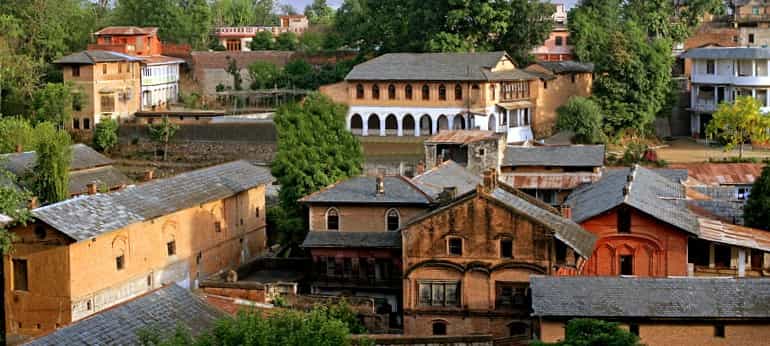
Pragpur holds the distinction of being India’s first officially declared heritage village. Located in the Kangra Valley, the village is known for its beautifully preserved architecture, cobbled streets, heritage buildings, and peaceful surroundings.
Visitors can explore:
- Traditional mud-plastered houses
- Historic mansions
- Ancient temples
- Village ponds
- Heritage walking trails
The old-world charm makes Pragpur an ideal destination for history lovers and photographers.
Best Time: October to March
2. Khimsar, Rajasthan
Situated on the edge of the Thar Desert, Khimsar reflects Rajasthan’s royal heritage and rural traditions.
Highlights include:
- Heritage havelis
- Khimsar Fort
- Camel safaris
- Traditional Rajasthani cuisine
- Desert landscapes
Visitors can experience authentic village life while staying in heritage properties.
3. Mawlynnong, Meghalaya
Known as Asia’s Cleanest Village, Mawlynnong is a shining example of community-led tourism and environmental conservation.
Popular attractions include:
- Spotless village streets
- Living root bridges
- Bamboo skywalk
- Local Khasi culture
- Beautiful gardens
The village demonstrates how tradition and sustainability can work together successfully.
4. Hodka, Gujarat
Located near the Great Rann of Kutch, Hodka is famous for its colourful Kutchi culture and traditional craftsmanship.
Visitors can enjoy:
- Mud houses (Bhungas)
- Embroidery workshops
- Folk music
- Local handicrafts
- Traditional cuisine
The village also offers comfortable eco-resorts that reflect local architecture.
5. Raghurajpur, Odisha
Raghurajpur is India’s most celebrated artisan village and is renowned for preserving the ancient art of Pattachitra painting.
Visitors can experience:
- Artist workshops
- Palm leaf engraving
- Traditional dance performances
- Handcrafted souvenirs
Almost every household in the village is involved in one or more traditional art forms.
6. Ziro Valley Villages, Arunachal Pradesh
The villages of Ziro Valley are home to the Apatani tribe, known for their sustainable farming methods and distinctive cultural traditions.
Visitors can explore:
- Traditional bamboo houses
- Rice fields
- Tribal museums
- Local festivals
- Scenic landscapes
The peaceful environment makes Ziro one of Northeast India’s most rewarding cultural destinations.
7. Andretta, Himachal Pradesh
Andretta is often called the Artists’ Village of Himachal Pradesh because of its long association with painters, potters, and theatre artists.
Popular experiences include:
- Pottery workshops
- Art galleries
- Heritage cottages
- Local cafés
- Nature walks
Creative travellers particularly enjoy spending time in this quiet village.
8. Pochampally, Telangana
Pochampally is internationally famous for its beautiful Ikat handloom sarees, earning it recognition as one of India’s important weaving centres.
Visitors can enjoy:
- Handloom weaving demonstrations
- Textile shopping
- Artisan interactions
- Local museums
Watching skilled weavers create intricate patterns is a fascinating experience.
9. Aranmula, Kerala
Aranmula is one of Kerala’s oldest heritage villages and is famous for its temple traditions, snake boat race, and handcrafted metal mirrors known as Aranmula Kannadi.
Highlights include:
- Sri Parthasarathy Temple
- Traditional mirror-making
- Cultural festivals
- Riverfront scenery
The village beautifully preserves Kerala’s artistic and spiritual heritage.
10. Garli, Himachal Pradesh
Located near Pragpur, Garli is known for its beautifully restored colonial-era mansions and traditional Himachali architecture.
Visitors can explore:
- Heritage buildings
- Local markets
- Ancient temples
- Quiet village lanes
Its peaceful atmosphere makes it ideal for slow travel and heritage walks.
Why Visit Heritage Villages?
Heritage villages offer experiences that go beyond ordinary sightseeing.
Visitors can:
- Discover authentic local traditions.
- Meet skilled artisans and craftsmen.
- Learn traditional art forms.
- Enjoy regional cuisine.
- Stay in heritage homes and eco-lodges.
- Participate in village festivals.
- Experience India’s rural hospitality.
Many villages also promote sustainable tourism, helping preserve local culture while supporting community livelihoods.
Tips for Visiting Heritage Villages
To make your visit enjoyable and respectful:
- Dress modestly, especially near temples and community spaces.
- Ask permission before photographing local residents.
- Buy handicrafts directly from artisans.
- Respect local customs and traditions.
- Carry cash for small purchases, as digital payment facilities may be limited.
- Hire local guides for a deeper understanding of the village’s history.
- Avoid littering and help preserve the village environment.
Supporting locally owned businesses helps maintain the cultural heritage of these destinations.
Best Time to Visit Heritage Villages in India
Most heritage villages are best visited between October and March, when the weather is pleasant for walking tours, cultural activities, and sightseeing.
Some villages become even more vibrant during local festivals, craft fairs, or harvest celebrations. Planning your visit around these events offers an opportunity to experience traditional music, dance, local cuisine, and artisan demonstrations in their most authentic form.
FAQs
1. Which is the first heritage village in India?
A. Pragpur in Himachal Pradesh is recognised as India’s first officially declared heritage village. It is famous for its preserved architecture, heritage buildings, and traditional village atmosphere.
2. Which heritage village is best for traditional handicrafts?
A. Raghurajpur in Odisha is one of the best destinations for traditional handicrafts, especially Pattachitra paintings, palm leaf engravings, and other classical art forms created by local artisans.
3. Are heritage villages suitable for family trips?
A. Yes. Most heritage villages are family-friendly and offer cultural experiences, heritage walks, local food, craft demonstrations, and peaceful surroundings suitable for visitors of all age groups.
4. What should I carry while visiting a heritage village?
A. Carry comfortable walking shoes, light cotton clothing, sunscreen, a reusable water bottle, a camera, and cash for purchasing local handicrafts or snacks. Respect local customs, interact politely with residents, and support community-run businesses to make your visit more meaningful.