India is home to one of the richest tribal cultures in the world, with more than 700 recognised tribal communities preserving unique traditions, languages, art forms, festivals, music, and lifestyles. Visiting tribal tourism destinations is not just about sightseeing—it is an opportunity to understand centuries-old cultures, witness traditional craftsmanship, enjoy authentic local cuisine, and experience a way of life that has remained closely connected to nature.
As responsible tourism continues to grow, many tribal regions across India now welcome visitors through community-based tourism initiatives. These experiences allow travellers to interact with local communities respectfully while supporting their livelihoods and preserving cultural heritage. Whether you’re interested in colourful festivals, handcrafted art, forest villages, or traditional dance performances, tribal tourism offers experiences that go far beyond ordinary vacations.
Here are the Top 10 Tribal Tourism Destinations in India that every cultural traveller should explore.
Overview Table
| Destination | State | Best Time to Visit | Famous For | Ideal Trip Duration |
|---|---|---|---|---|
| Bastar | Chhattisgarh | October–March | Tribal festivals and handicrafts | 3–4 Days |
| Ziro Valley | Arunachal Pradesh | September–November | Apatani tribal culture | 3–4 Days |
| Koraput | Odisha | October–March | Tribal villages and weekly markets | 3 Days |
| Jhabua | Madhya Pradesh | October–March | Bhil tribal traditions | 2–3 Days |
| Wayanad | Kerala | October–March | Indigenous tribal communities | 3 Days |
| Majuli | Assam | October–March | Mishing tribe and cultural heritage | 3 Days |
| Jawhar | Maharashtra | October–February | Warli art and tribal culture | 2 Days |
| Nilgiri Hills | Tamil Nadu | October–March | Toda tribal settlements | 3 Days |
| Dangs | Gujarat | October–March | Forest tribes and Dang Darbar Festival | 2–3 Days |
| Khonoma | Nagaland | October–April | Angami tribal heritage | 2–3 Days |
1. Bastar, Chhattisgarh
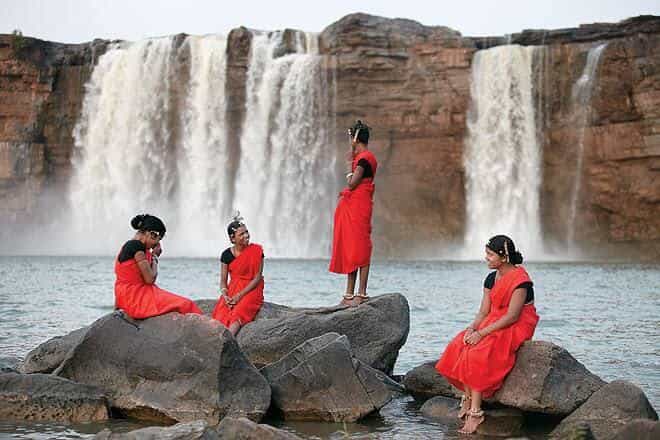
Bastar is one of India’s most famous tribal tourism destinations. Home to several tribal communities such as the Gond, Muria, Maria, and Halba tribes, Bastar offers an authentic cultural experience.
Visitors can enjoy:
- Bastar Dussehra Festival
- Tribal handicrafts
- Bell metal artwork
- Weekly tribal markets
- Traditional dance performances
The region is also known for its waterfalls, forests, and ancient temples.
Best Time: October to March
2. Ziro Valley, Arunachal Pradesh
Ziro Valley is renowned for the unique culture of the Apatani tribe, known for their sustainable farming practices and rich traditions.
Highlights include:
- Traditional Apatani villages
- Bamboo houses
- Rice fields
- Local cuisine
- Ziro Music Festival
The valley’s peaceful environment and scenic landscapes make it one of Northeast India’s most attractive cultural destinations.
3. Koraput, Odisha
Koraput is home to several tribal communities, including the Bonda, Gadaba, Paraja, and Kondh tribes.
Visitors can explore:
- Tribal villages
- Weekly tribal markets
- Handwoven textiles
- Traditional jewellery
- Local festivals
Interacting with local artisans offers insight into Odisha’s rich tribal heritage.
4. Jhabua, Madhya Pradesh
Jhabua is famous for the colourful traditions of the Bhil tribe, one of India’s largest tribal communities.
Popular experiences include:
- Bhagoria Festival
- Tribal folk music
- Local handicrafts
- Rural village visits
The lively festivals showcase traditional costumes, dance, and community celebrations.
5. Wayanad, Kerala
Apart from its forests and wildlife, Wayanad is home to indigenous tribal communities that continue to preserve their customs and traditions.
Visitors can enjoy:
- Tribal heritage museums
- Guided village visits
- Nature walks
- Local handicrafts
Responsible tourism initiatives help support local livelihoods while promoting cultural awareness.
6. Majuli, Assam
The river island of Majuli is home to the Mishing tribe, known for its weaving traditions and distinctive cultural practices.
Visitors can experience:
- Traditional stilt houses
- Handloom weaving
- Folk music
- Cultural festivals
The peaceful island atmosphere enhances the cultural experience.
7. Jawhar, Maharashtra
Jawhar is known for its Warli tribal community, whose distinctive paintings have gained international recognition.
Highlights include:
- Warli art workshops
- Tribal museums
- Local festivals
- Scenic hills
Visitors can even purchase authentic Warli artwork directly from local artisans.
8. Nilgiri Hills, Tamil Nadu
The Nilgiri Hills are home to the Toda tribe, one of India’s oldest indigenous communities.
Popular attractions include:
- Toda settlements
- Traditional barrel-shaped houses
- Handmade embroidery
- Nilgiri landscapes
Learning about Toda culture offers a fascinating glimpse into a unique way of life.
9. Dangs, Gujarat
The Dangs district is covered with forests and inhabited by several tribal communities.
Visitors can enjoy:
- Dang Darbar Festival
- Forest landscapes
- Folk dances
- Tribal music
- Handcrafted products
The annual Dang Darbar celebration is one of the biggest tribal festivals in western India.
10. Khonoma, Nagaland
Known as India’s first green village, Khonoma is home to the Angami tribe and is recognised for its community-led conservation efforts.
Visitors can explore:
- Traditional Naga houses
- Terrace farming
- Village walks
- Local cuisine
- Cultural performances
Khonoma beautifully combines tribal heritage with sustainable tourism.
Why Choose Tribal Tourism?
Tribal tourism provides meaningful travel experiences that go beyond conventional sightseeing.
Visitors can:
- Learn about India’s indigenous cultures.
- Support local communities through responsible tourism.
- Purchase authentic handmade crafts.
- Experience traditional music and dance.
- Taste regional tribal cuisine.
- Discover sustainable lifestyles connected to nature.
- Gain a deeper understanding of India’s cultural diversity.
Choosing community-based tourism helps preserve traditional knowledge while creating economic opportunities for local residents.
Tips for Visiting Tribal Areas
Respect and cultural sensitivity are essential while visiting tribal communities.
Keep these tips in mind:
- Always seek permission before photographing people.
- Dress modestly and respect local customs.
- Purchase handicrafts directly from artisans whenever possible.
- Avoid disturbing traditional ceremonies.
- Follow guidance from local community guides.
- Carry cash, as digital payment facilities may be limited in remote villages.
- Choose responsible tour operators that work closely with local communities.
A respectful approach ensures a positive experience for both visitors and host communities.
Best Time to Visit Tribal Tourism Destinations
The ideal season for most tribal destinations is October to March, when the weather is pleasant and many cultural festivals take place.
If you wish to witness traditional celebrations, plan your visit around regional festivals such as Bastar Dussehra, Bhagoria Festival, Dang Darbar, or the Ziro Music Festival, depending on the destination. Festival dates vary each year, so checking the local calendar before planning your trip is recommended.
FAQs
1. What is tribal tourism?
A. Tribal tourism involves visiting indigenous communities to learn about their culture, traditions, art, lifestyle, festivals, and history while promoting responsible travel that respects local customs and supports community development.
2. Which is the best tribal tourism destination in India?
A. Bastar in Chhattisgarh is widely regarded as one of the best tribal tourism destinations because of its rich tribal heritage, vibrant festivals, traditional handicrafts, and cultural diversity. Ziro Valley and Koraput are also highly recommended for authentic tribal experiences.
3. Is it safe to visit tribal villages in India?
A. Yes. Many tribal tourism destinations welcome visitors through organised community tourism programmes. Travelling with local guides, respecting community customs, and following local regulations helps ensure a safe and enriching experience.
4. What should I keep in mind while interacting with tribal communities?
A. Respect local traditions, ask for permission before taking photographs, dress appropriately, avoid intrusive behaviour, and support the local economy by purchasing handmade products directly from artisans. Responsible and respectful interactions help preserve tribal heritage while benefiting the communities that host visitors.